About Us

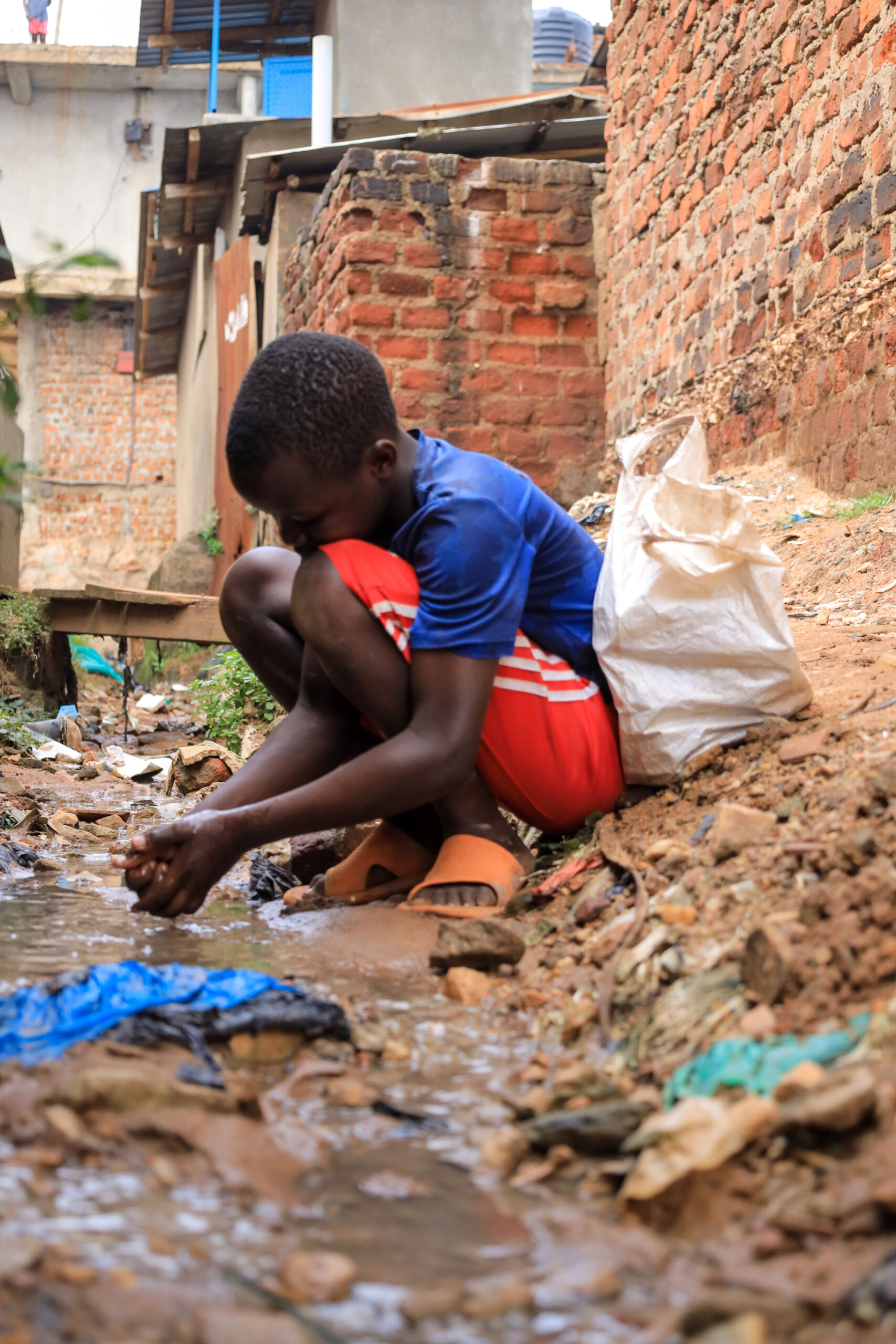
The PROMISE Consortium (Promoting Evidence-Based Investments in Sanitation and Hygiene for Health and Equity) is an international partnership that helps governments turn sanitation and hygiene evidence into better policy, planning, financing, and services. Since 2022, PROMISE has brought together 16 research, government, and implementing institutions across Bangladesh, Ghana, Kenya, Malawi, Senegal, Tanzania, Uganda, Zambia, Scotland, and the United States.

Our aim is to reduce people’s exposure to environmental pathogens, improve health outcomes, and make the routine use of evidence part of how sanitation and hygiene decisions are made. Country teams lead research in their own cities and communities, supported by technical advisors at Emory University, the University of North Carolina at Chapel Hill, SaniPath International and Makerere University School of Public Health. Using practical decision-support tools such as SaniPath, ComPASS, and WASH FIT, we work with ministries, municipalities, utilities, and health facilities from the start, so findings move into national policies, guidelines, and investment plans. In Uganda, for example, PROMISE evidence has informed the 2026 Sanitation and Hygiene Policy and the National Environmental Health Strategy 2025–2030.

OUR MISSION & VISION

To reduce people's exposure to environmental health risks by making evidence a routine part of sanitation and hygiene policy, planning, and investment. We generate actionable, locally led research, strengthen the capacity of institutions to use it, and build equitable partnerships among researchers, governments, practitioners, and communities.

MISSION STATEMENT

A world where every community is protected by safe, equitable, and climate-resilient sanitation and hygiene, and where evidence routinely guides the decisions and investments that make it possible.

VISION STATEMENT

What We Do

The PROMISE Consortium promotes evidence-based decision-making about sanitation and hygiene policies, investments, and implementation by national, regional, and municipal governments, with emphasis on:

Generate evidence.

We produce locally led, quality-assured data on how people are exposed to environmental health risks and how sanitation systems actually perform.

Build capacity.

We train researchers, environmental health officers, laboratory teams, and decision-makers to collect, interpret, and use that evidence.

Embed evidence in government systems.

We work with ministries, municipalities, and utilities to integrate tools and findings into policies, guidelines, budgets, and monitoring.

Sustain the partnership.

We grow an equitable network of institutions that learns together and attracts investment beyond any single project.

Collaboration Model

The PROMISE Consortium operates on principles of equitable partnership.

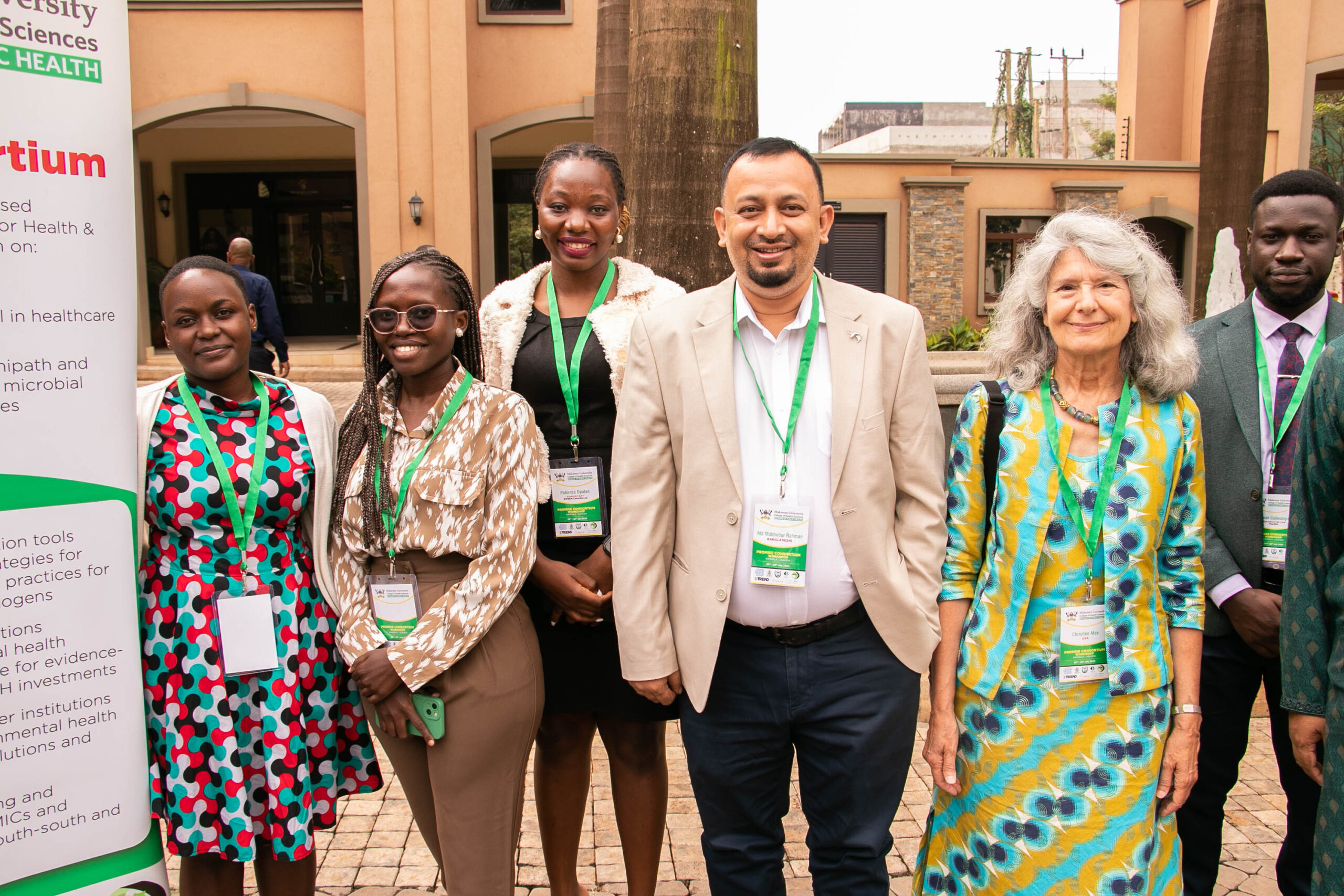
Partner countries share experiences, methodologies, and lessons learned through regular workshops, joint training programs, and peer-to-peer mentorship. This horizontal exchange strengthens regional capacity and ensures solutions are contextually relevant.

Technical institutions in the United States (Emory University and UNC Chapel Hill) provide scientific leadership, methodological guidance, and capacity building support while ensuring that research priorities and approaches are driven by country partners’ needs and contexts.

The Consortium bridges research institutions, government agencies, utility operators, and community stakeholders to ensure that evidence generation directly informs policy and practice.

Our Approach

We don’t just generate data—we work with governments to translate findings into actionable policies, investment priorities, and implementation strategies. Our tools and methods are designed for integration into existing planning frameworks.

Long-term sustainability requires local expertise. We invest heavily in training researchers, government staff, and practitioners to independently deploy decision-support tools, manage data systems, and advocate for evidence-based approaches.

From project inception, we engage policymakers, municipal authorities, and community stakeholders to ensure ownership, relevance, and sustained uptake of research findings.

Regular cross-country workshops, joint reflection sessions, and collaborative problem-solving create a learning environment where innovations from one context strengthen work in others.
History

The PROMISE Consortium emerged from a recognition that sanitation and hygiene research could better serve low- and middle-income countries through more equitable partnership models.