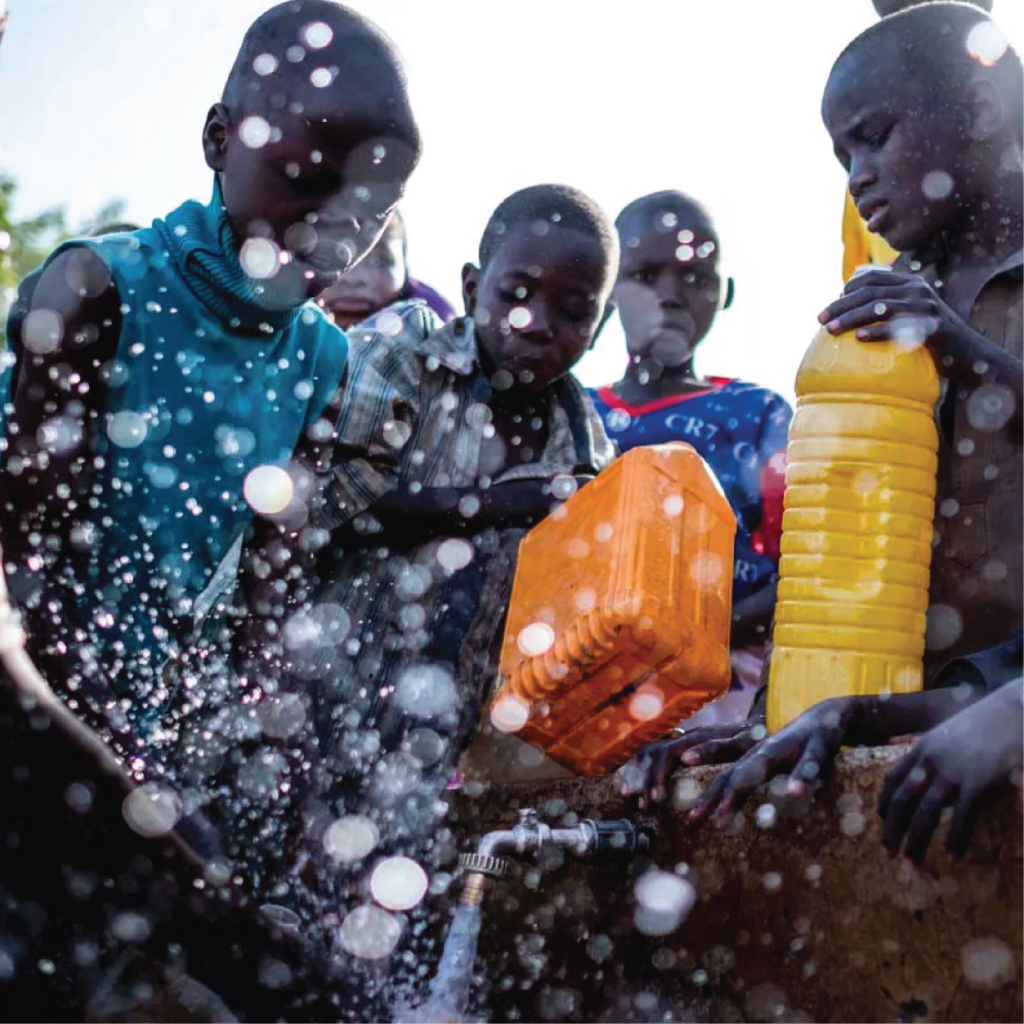
A WHO/UNICEF report published in August 2026 found that only 40% of health care facilities worldwide meet basic sanitation standards and only 59% meet basic environmental cleaning standards. Basic sanitation coverage in facilities was lowest in sub-Saharan Africa, at 23% [1]. In schools, 646 million children lacked a basic hygiene service in 2023, and 427 million lacked basic sanitation [2]. Sanitation workers, who keep these systems running, face serious occupational and environmental health hazards and are often invisible, uncounted, and stigmatized.
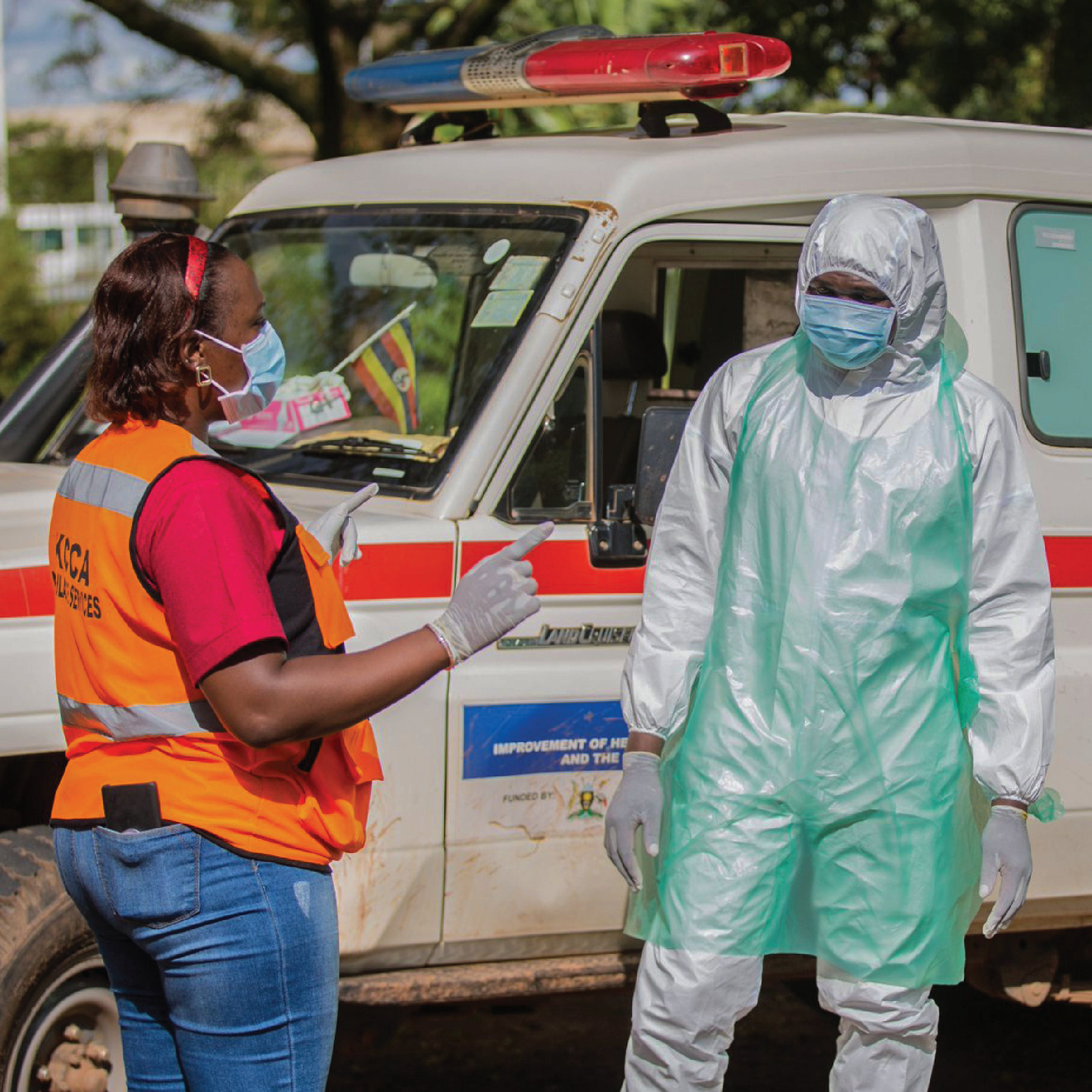
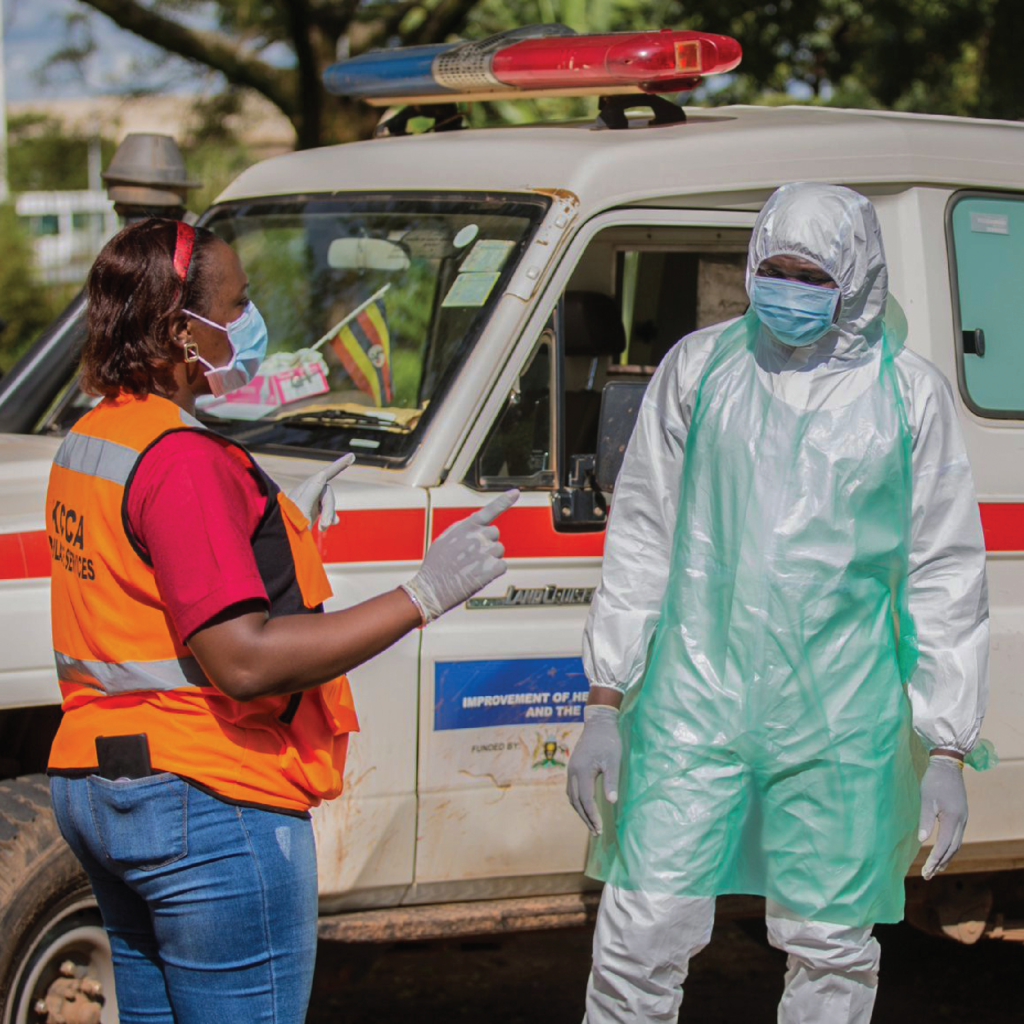
WASH FIT research in three peri-urban healthcare facilities in Mbao District, Senegal, showed that inadequate WASH services, frequent water shortages, and recurrent flooding expose patients and health workers to infection risk. Inadequate privacy, hygiene, safety, and energy conditions fell hardest on women in the health workforce, and the team formed partnerships with women's groups to advocate for improvements. In Uganda, implementation research showed that infection prevention and control training, leadership, collaboration across departments, and institutional culture are what drive improvements in environmental cleaning and hand hygiene. PROMISE has also built a pipeline of students, early-career researchers and fellows across the consortium.

Assessing environmental contamination in communities around healthcare facilities, not just inside them; strengthening monitoring of the links between contamination and proximity to health facilities; quantifying sanitation workers' exposure to biological and chemical hazards; understanding barriers to safe working conditions, including gender, stigma, and labor dynamics; and improving WASH and menstrual health in schools.
©2026. PROMISE CONSORTIUM. All Rights Reserved.