Our Impact

The PROMISE Consortium continues to advance its mission of institutionalizing evidence-based sanitation and hygiene decision-making across Africa and Asia. Over the reporting period, the Consortium matured from planning into full implementation; collecting rigorous field data, strengthening research capacity, and fostering cross-country learning that is influencing national policies, investments, and practices.

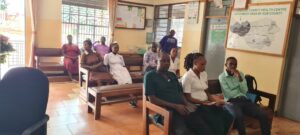
A signature event this period was the 2nd Annual PROMISE Consortium Workshop in Accra, Ghana (7–11 April 2025), hosted by TREND Group in partnership with Ghana’s Ministry of Local Government, Chieftaincy and Religious Affairs. Under the theme “Strengthening Evidence-Based Decision-Making in WASH Policy and Strategy,” the workshop convened WASH leaders, researchers, and government partners from all PROMISE countries and beyond. Participants engaged in hands-on trainings (WASH FIT, SaniPath, ComPASS), country case studies, field exercises, and strategic planning sessions. Participants presented preliminary findings and engaged in cross-country learning including peer-review sessions. This shared learning environment accelerated tool adaptation and promoted methodological standardization.

The event also publicly recognized contributions from sector leaders, including Professor Christine Moe of Emory University, for her role in advancing evidence-based WASH globally. Key insights emerging from the Accra workshop included:

This Accra convening serves as a pivotal moment—not only for sharing results, but for galvanizing deeper cohesion, cross-pollination, and alignment across country teams.

This reporting period demonstrates how collaborative science, participatory engagement, and North–South research partnerships can transform WASH from an infrastructure challenge into a driver of public health, climate resilience, and social equity.


Promise Consortium

Policy & Practice Impact

How field-grounded PROMISE research is informing policy reform, institutional capacity, and sanitation practice across Africa and Asia.
2 countries · 4 registered studies

🇬🇭
Ghana
Country Impact Profile

Ghana

1 Study
Impact Stories
Areas Impacted
Projects & Tools
Food Safety and Hygiene (FSH)
Tools Used
Food Safety and Hygiene
Impact
In Ghana, PROMISE moved from training to field execution. More than 60 Environmental Health Officers and Field Coordinators were trained in the SaniPath Tool across four municipalities: Accra Metro, Korley Klottey, Weija-Gbawe, and Awutu Senya East. Preliminary findings reveal a critical gap between hygiene knowledge and behavior. Although 99% of households recognize handwashing prevents disease, only 89% practice it consistently before cooking or eating. Over 56% report pests in cooking areas, and 80% rely on street food, though 55% believe it is only “sometimes safe.” Even with 87% aware of foodborne illness risks, 85% remain dissatisfied with vendor hygiene. These findings underscore persistent food safety risks and the need for targeted hygiene messaging in markets—65% of respondents observed no such messages. PROMISE Ghana is recommending behavioral nudges such as handwashing prompts, vendor signage, and improved storage practices to reduce fecal–oral transmission in food environments. These results have led the Ministry of Local Government, Chieftaincy and Religious Affairs to engage the study team to revise the standard operating procedures for food safety and hygiene for environmental health officers in Ghana. This study provides crucial insights for urban public health and food safety governance.
Field Gallery 0 images
No images uploaded for this study yet.
🇺🇬
Uganda
Country Impact Profile

Uganda

3 Studies Amuru and Nwoya
Impact Stories
A process evaluation of the WASH FIT intervention in Amuru and Nwoya, demonstrated how structured risk assessments, stakeholder participation, and improved governance can transform facility performance. However, heavy workloads, limited technical capacity, and insufficient inter-departmental collaboration hindered sustained uptake. Tailoring WASH FIT to local contexts and strengthening leadership structures were identified as critical enablers.
Areas Impacted
  • Amuru and Nwoya
Projects & Tools
Strengthening WASH in Healthcare Facilities and Pathogen Flow Hazards from Unsafe Sanitation Systems.
Tools Used
Promoting Hand Hygiene
Impact
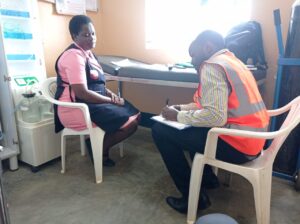
A sub-study explored patient involvement in promoting hand hygiene (HH) among healthcare workers in Mukono and Kagadi districts. Interviews with patients revealed barriers such as fear of negative reactions from health workers, low self-confidence, and limited HH knowledge. Facilitators included health talks, strong patient–provider rapport, and infection awareness campaigns. The findings underscore that empowering patients to reinforce hand hygiene requires addressing social hierarchies and cultivating supportive communication within care settings.
Field Gallery 8 images
Tools Used
WASH FIT intervention
Impact
Another substudy, a process evaluation of the WASH FIT intervention in Amuru and Nwoya, demonstrated how structured risk assessments, stakeholder participation, and improved governance can transform facility performance. However, heavy workloads, limited technical capacity, and insufficient inter-departmental collaboration hindered sustained uptake. Tailoring WASH FIT to local contexts and strengthening leadership structures were identified as critical enablers.
Field Gallery 0 images
No images uploaded for this study yet.
Tools Used
Pathogen Flow Study
Impact
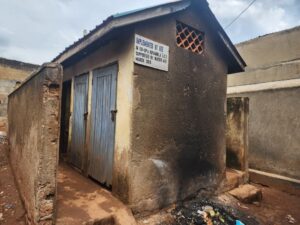
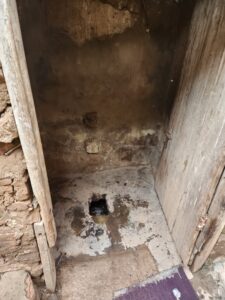
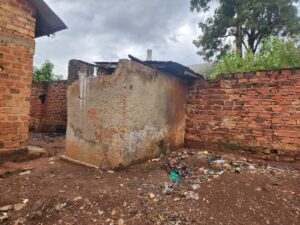
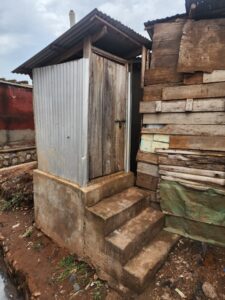
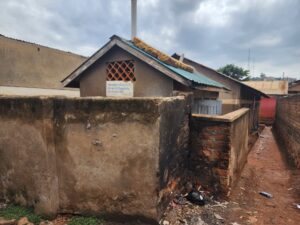
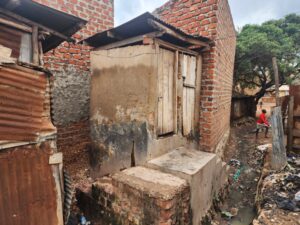
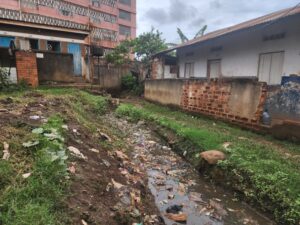
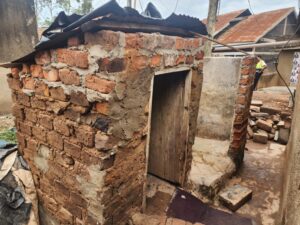
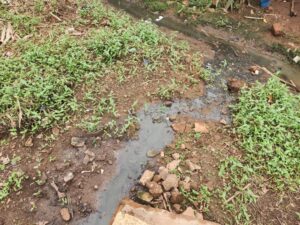
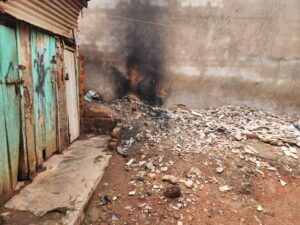
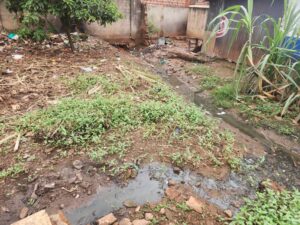
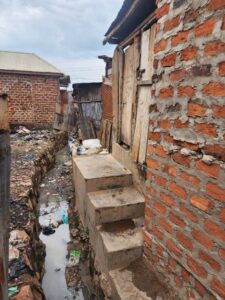
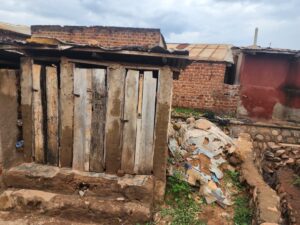
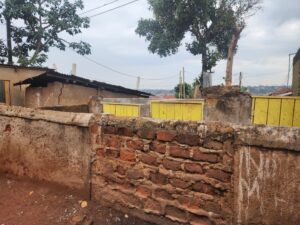
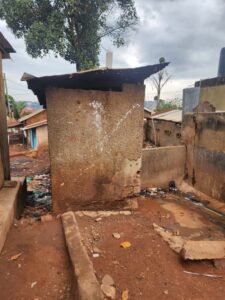
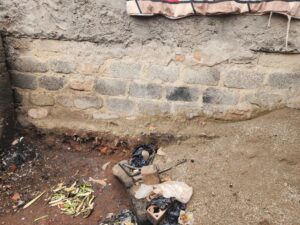
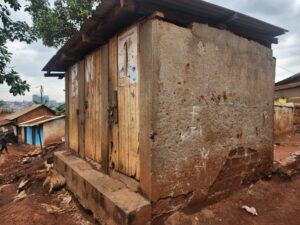
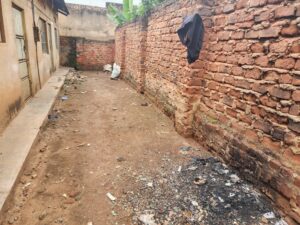
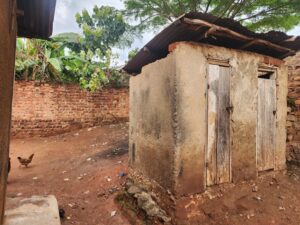
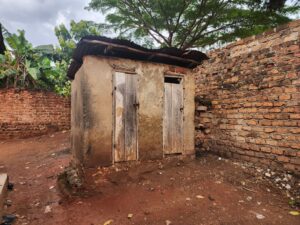
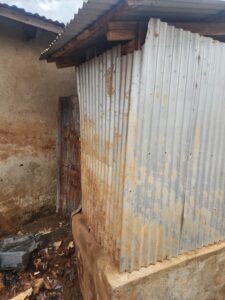
The ComPASS Uganda Pathogen Flow Study—underway in Mulago III and Kamwokya—maps pathogen movement along the sanitation chain. Transect walks and environmental sampling (55% progress) reveal valuable data on exposure points and contamination pathways. Regular team reflections and adaptive planning have helped resolve fieldwork challenges and improve sampling efficiency, informing future sanitation investment prioritization across urban Uganda.
Field Gallery 40 images

Cross-Cutting Learnings and Impact

Across all PROMISE countries, the reporting period illustrates how group science—anchored in strong North–South partnerships and South–South peer learning—has accelerated innovation, enhanced data quality, and deepened the real-world impact of sanitation research.

Collaborative Science Strengthening Evidence Use

PROMISE’s multi-country framework enabled shared research design and comparative analysis across diverse contexts. By connecting northern institutions such as Emory University and University of North Carolina, Chapel Hill with southern research bodies, government agencies and think tanks, the Consortium forged a networked science ecosystem that balances rigor and relevance. This partnership improved field and lab protocols , ensuring that locally collected data meet global scientific standards while informing municipal planning and policy reforms.

Peer-to-Peer Learning as a Catalyst for Innovation

South–South knowledge exchanges among PROMISE teams have become crucial forms of learning. Uganda’s WASH FIT experience informed Senegal’s hospital assessments. Uganda’s Compass experience informed Zambia and Kenya approaches. Ghana’s SaniPath experience informed Tanzania's adoption and approach to implementation. These peer collaborations have allowed teams to troubleshoot challenges collectively, replicate best practices, and adapt tools to local realities.

Capacity and Systems Thinking for Sustainability

Joint training programs, joint research funding proposals, co-supervised research, and student exchanges have developed a mature team of WASH researchers and practitioners. North–South collaboration links from Emory University and UNC Chapel Hill and LMIC partner country teams, ensuring equitable skill transfer. This distributed capacity now supports national systems in partner countries, where ministries are adopting PROMISE tools for routine sanitation and hygiene monitoring for policy and planning and investment.

Collective Impact on Policy and Regional Resilience

The group-science model has amplified PROMISE’s influence in regional and global dialogues. Data generated across multiple contexts are informing city sanitation strategies, donor investments, and health sector policies. Dissemination through joint publications, conferences, and regional forums will ensure that lessons from one setting accelerate progress in another—demonstrating the value of science conducted together.