Strengthening WASH in Healthcare Facilities and Pathogen Flow Hazards from Unsafe Sanitation Systems.
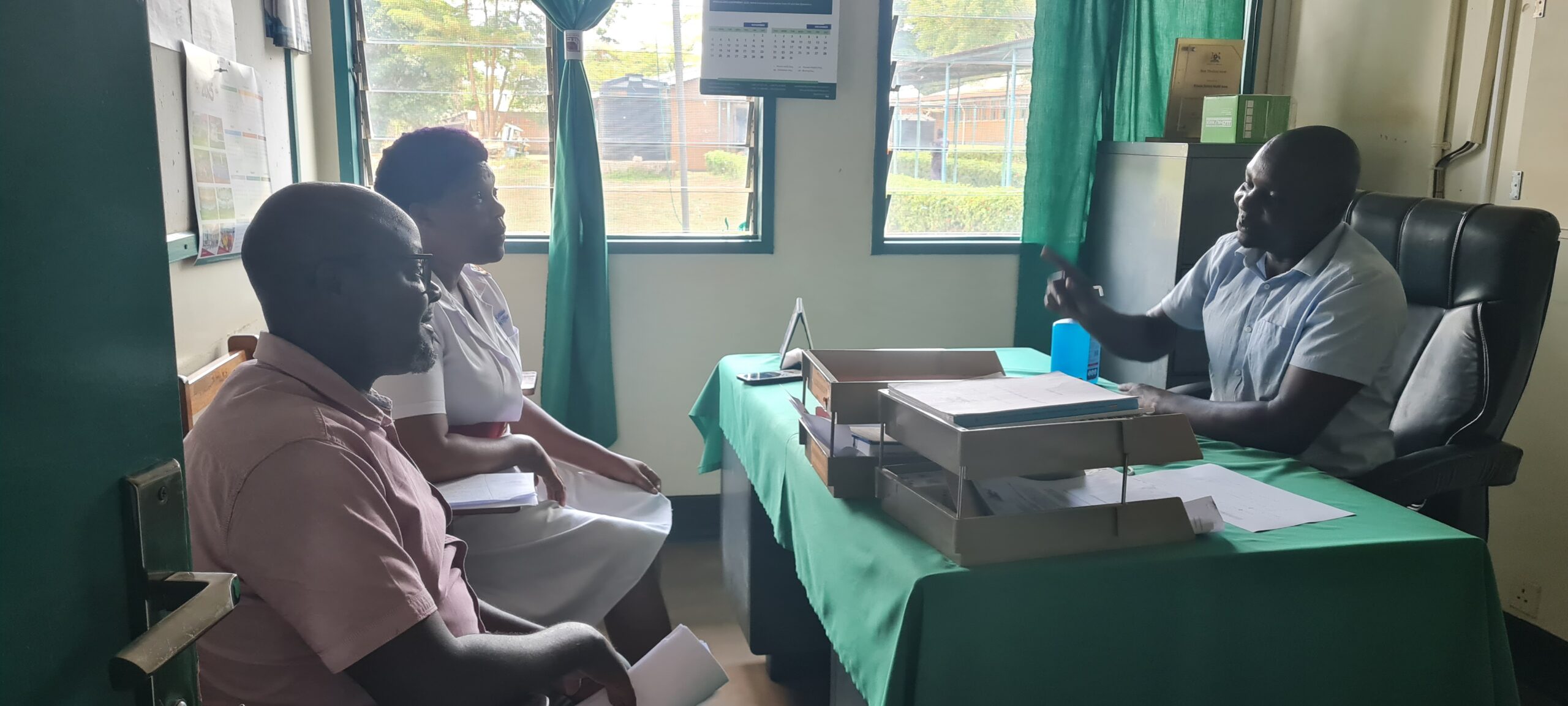
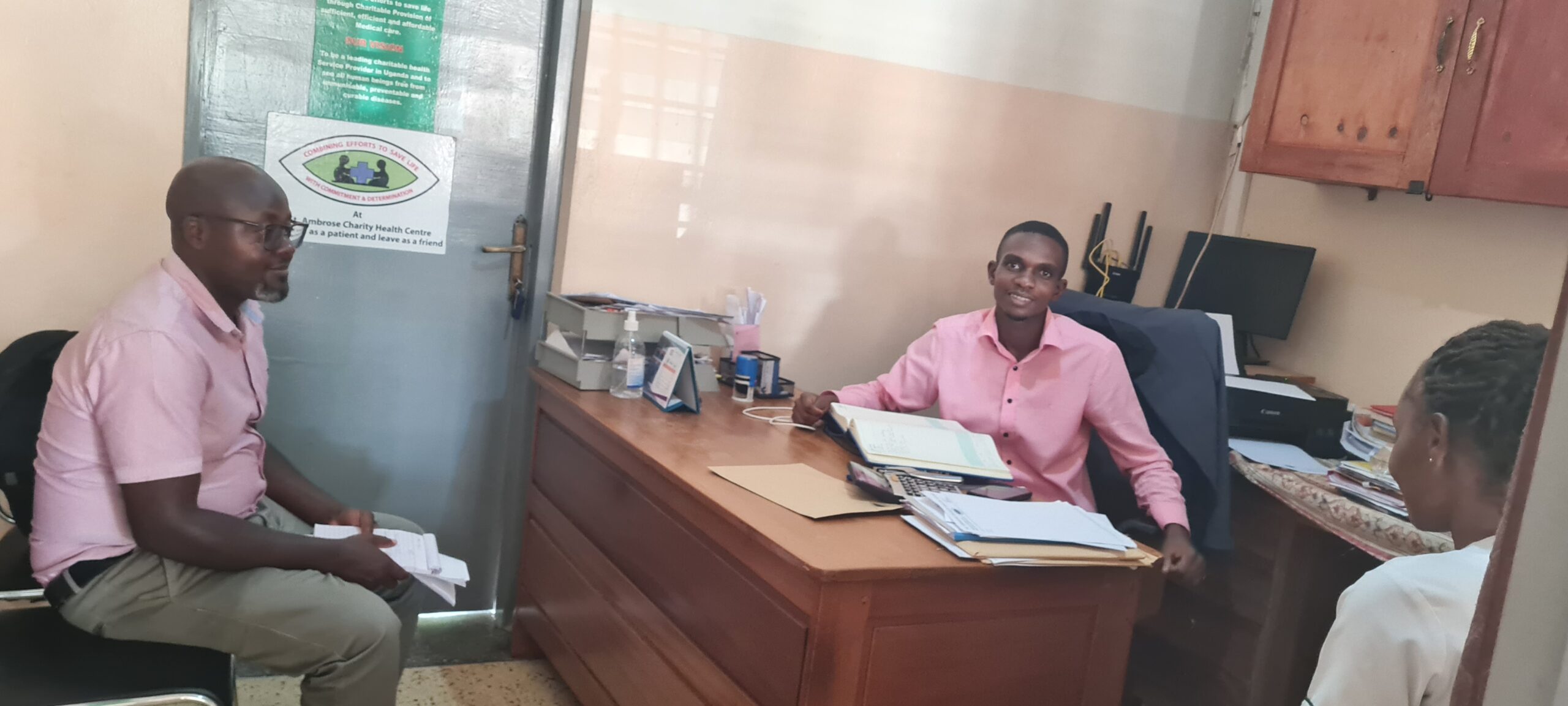
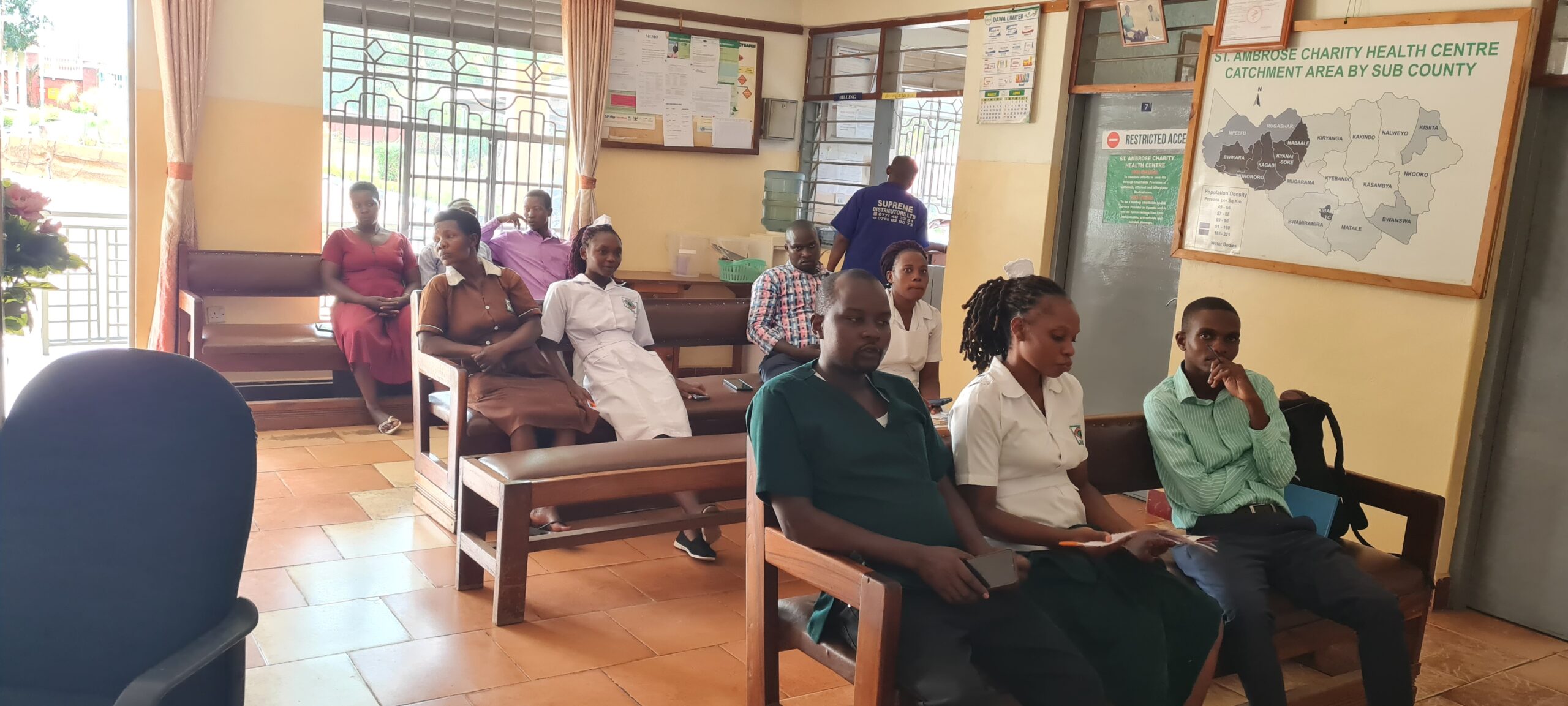
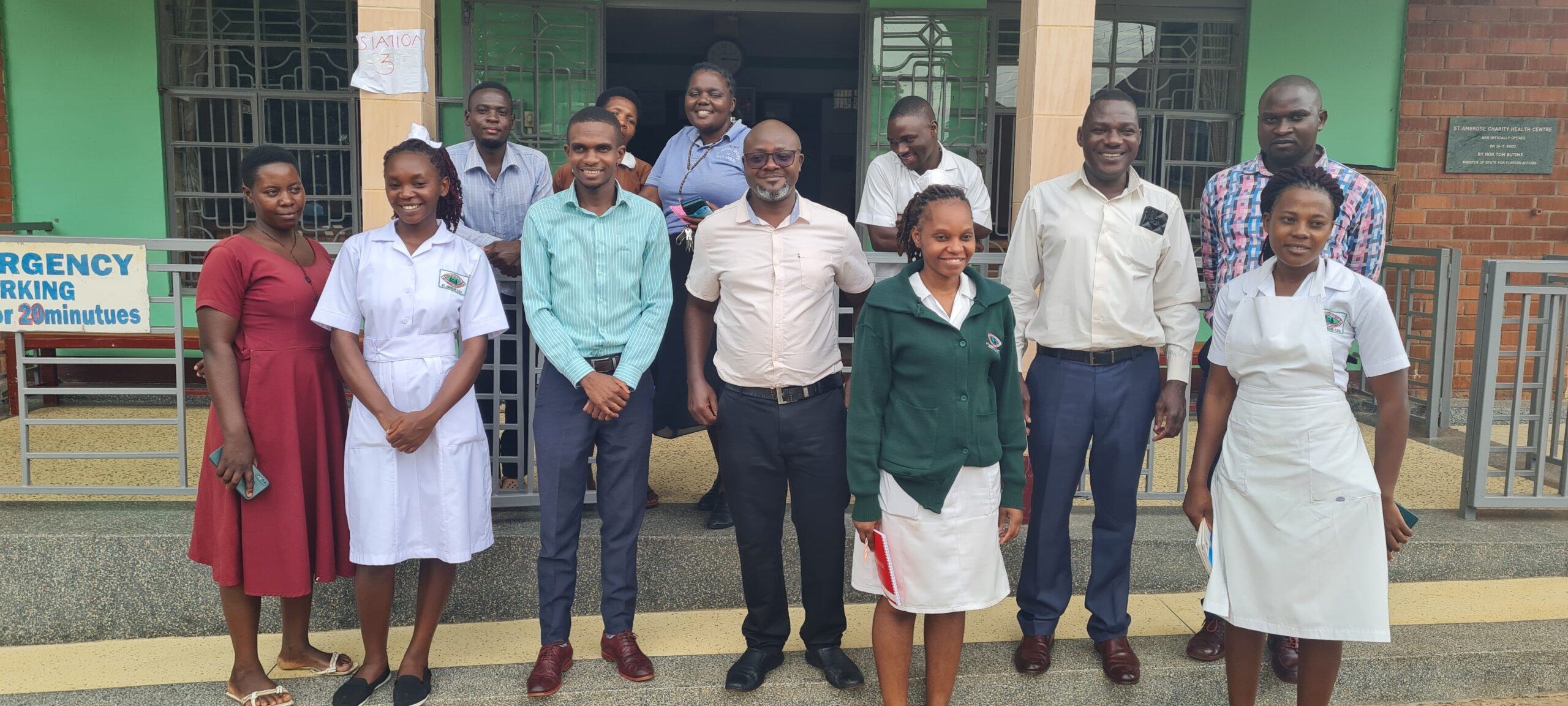
In Uganda, the PROMISE team successfully advocated for the utilization of decision support tools in hygiene and sanitation to be included in the National Sanitation and Hygiene Policy of Uganda.
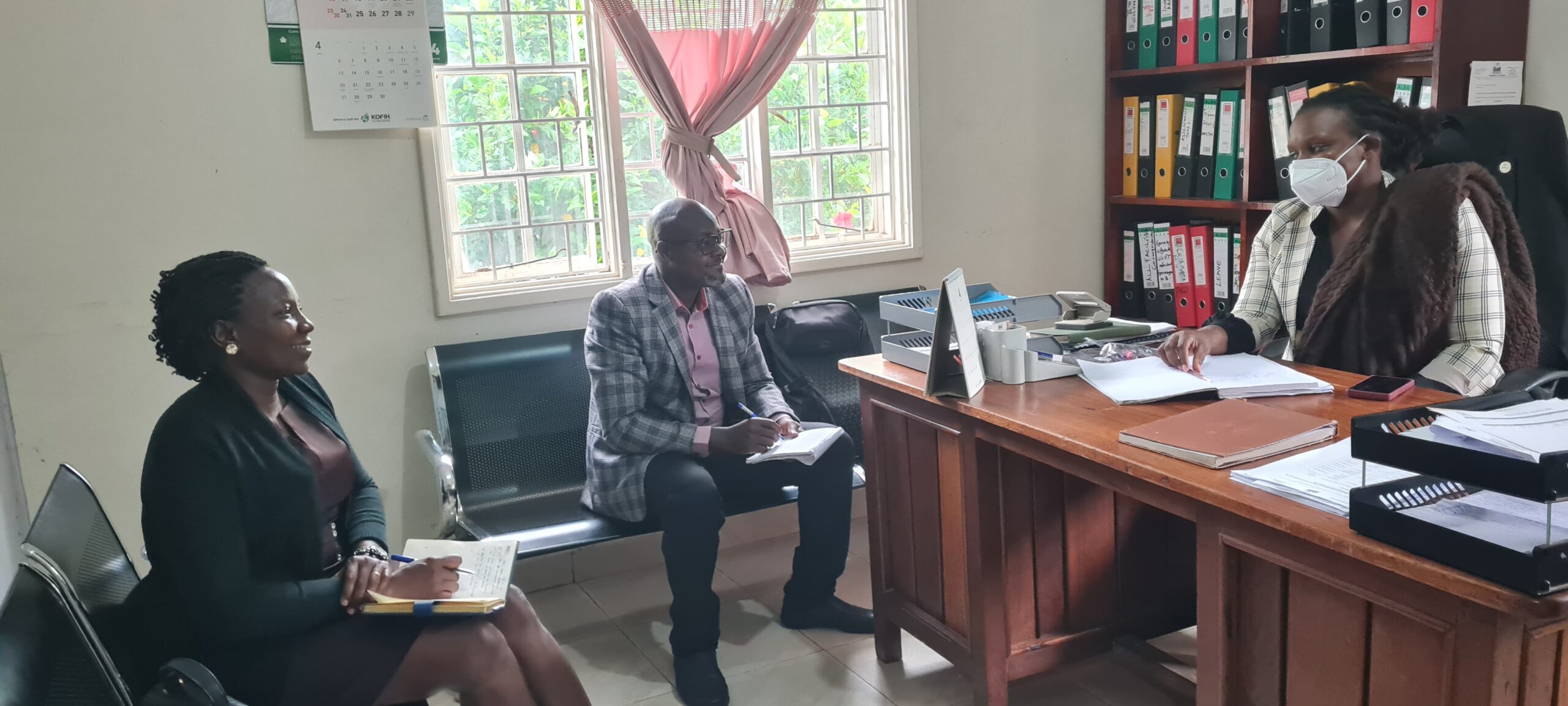
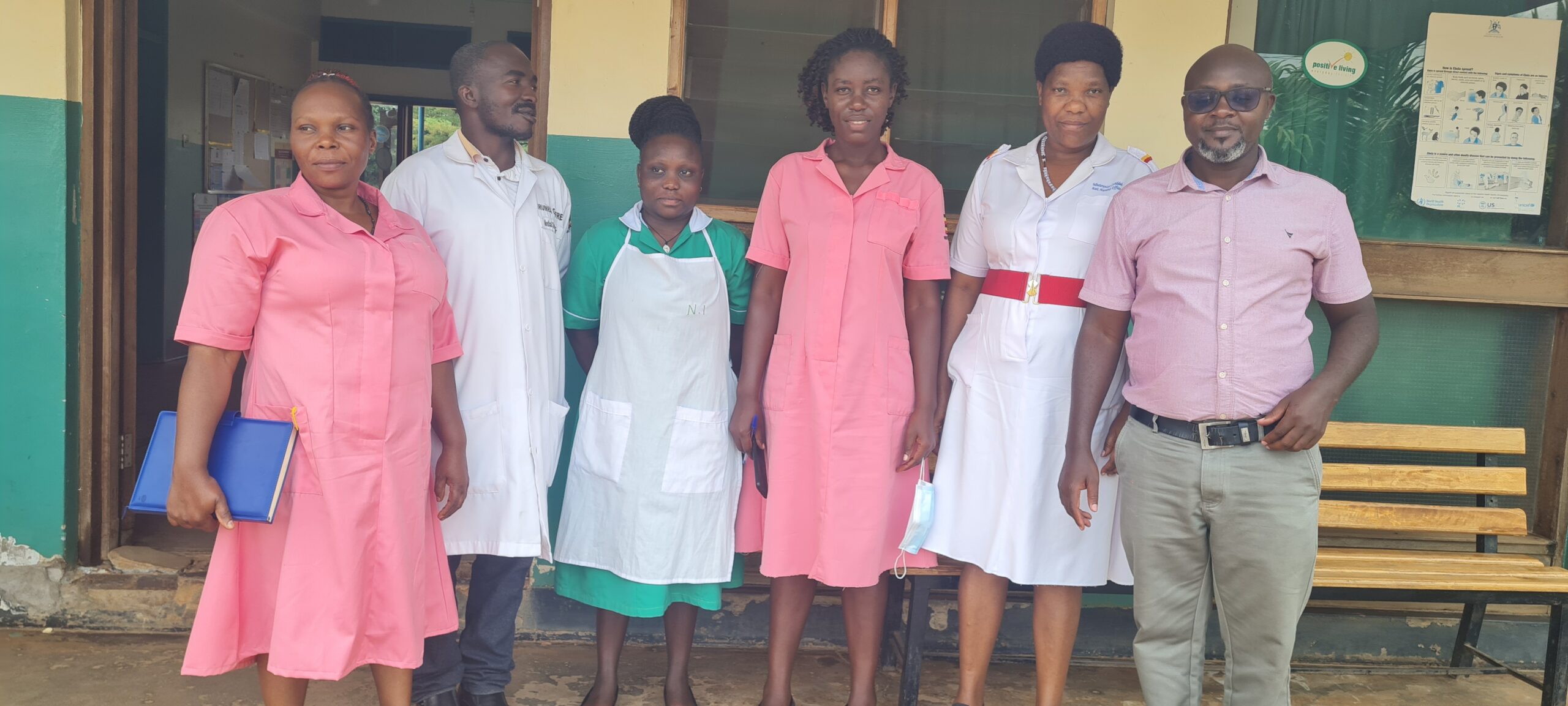
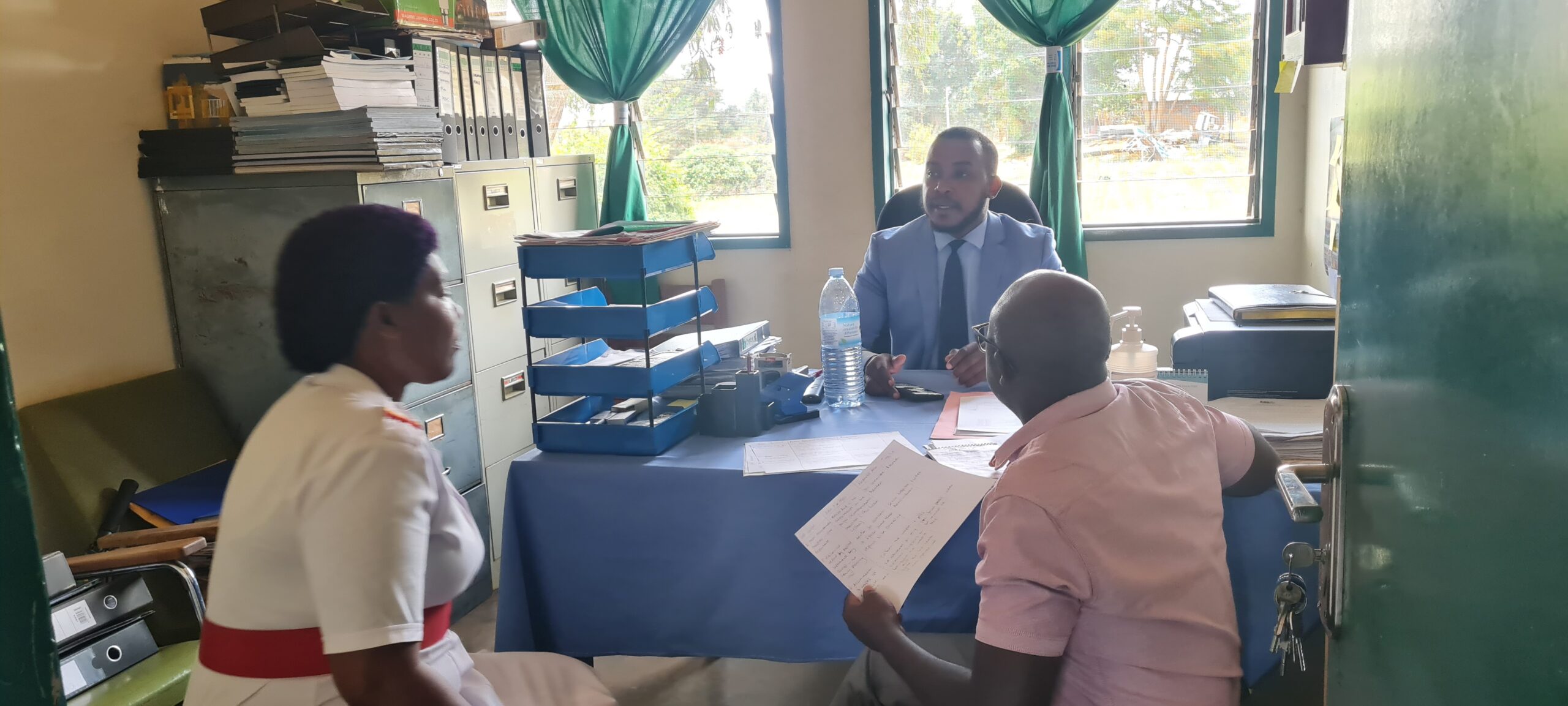
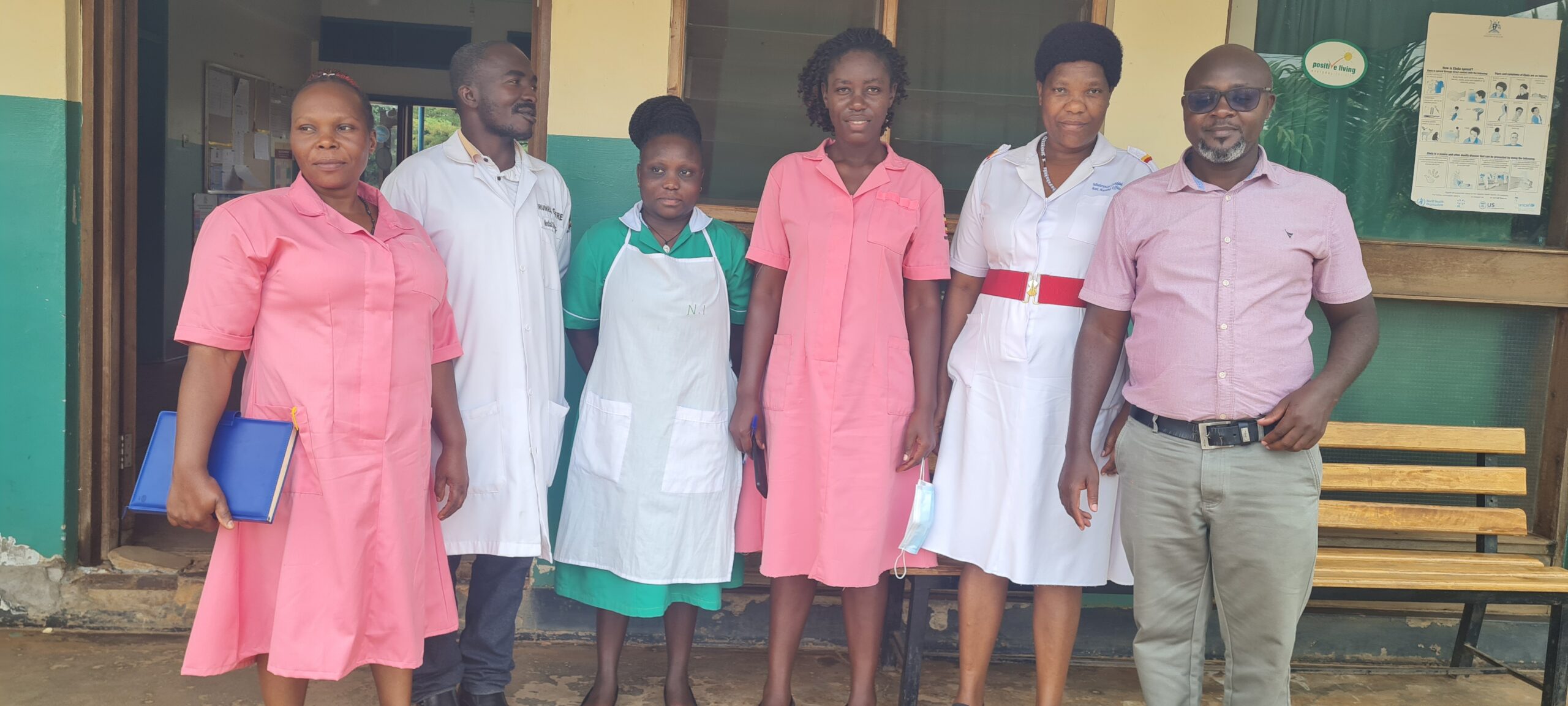
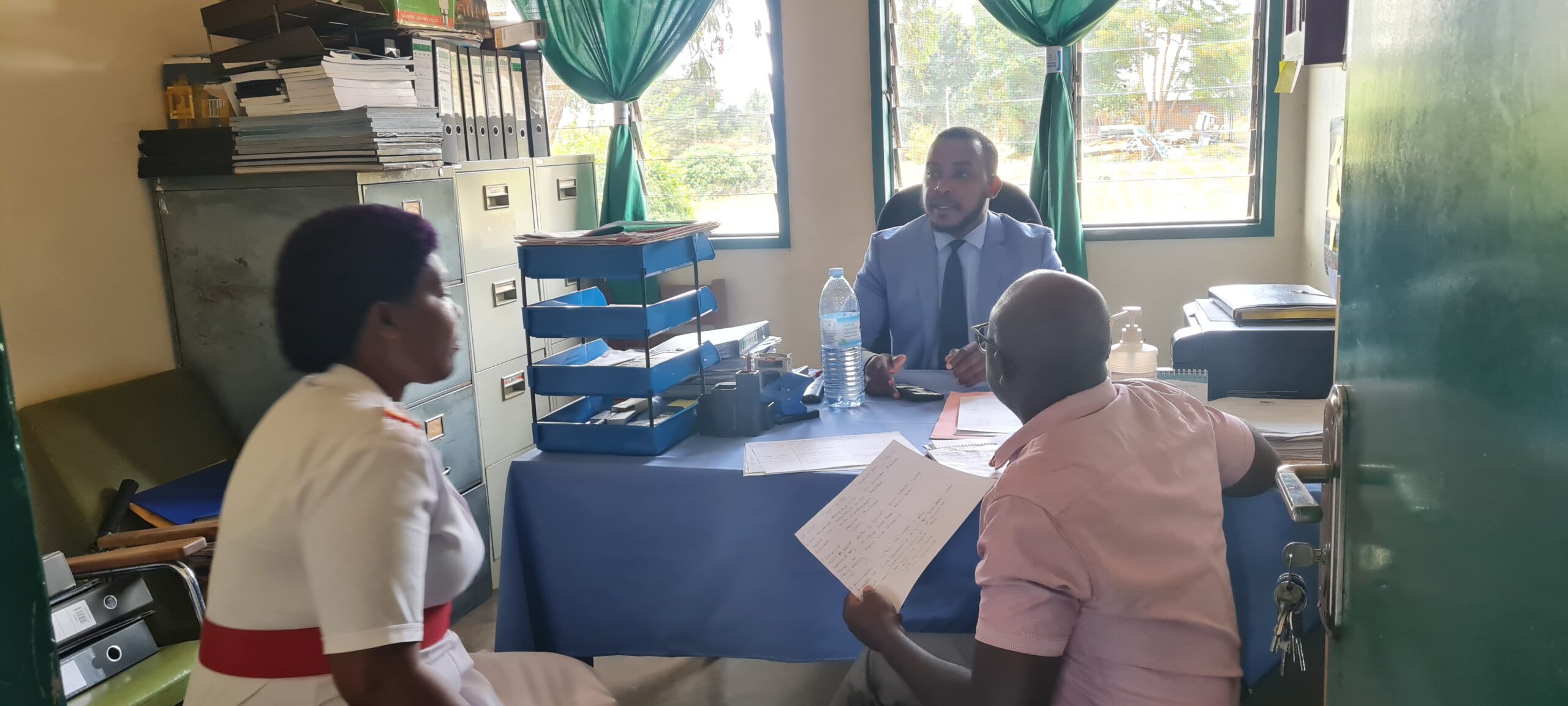
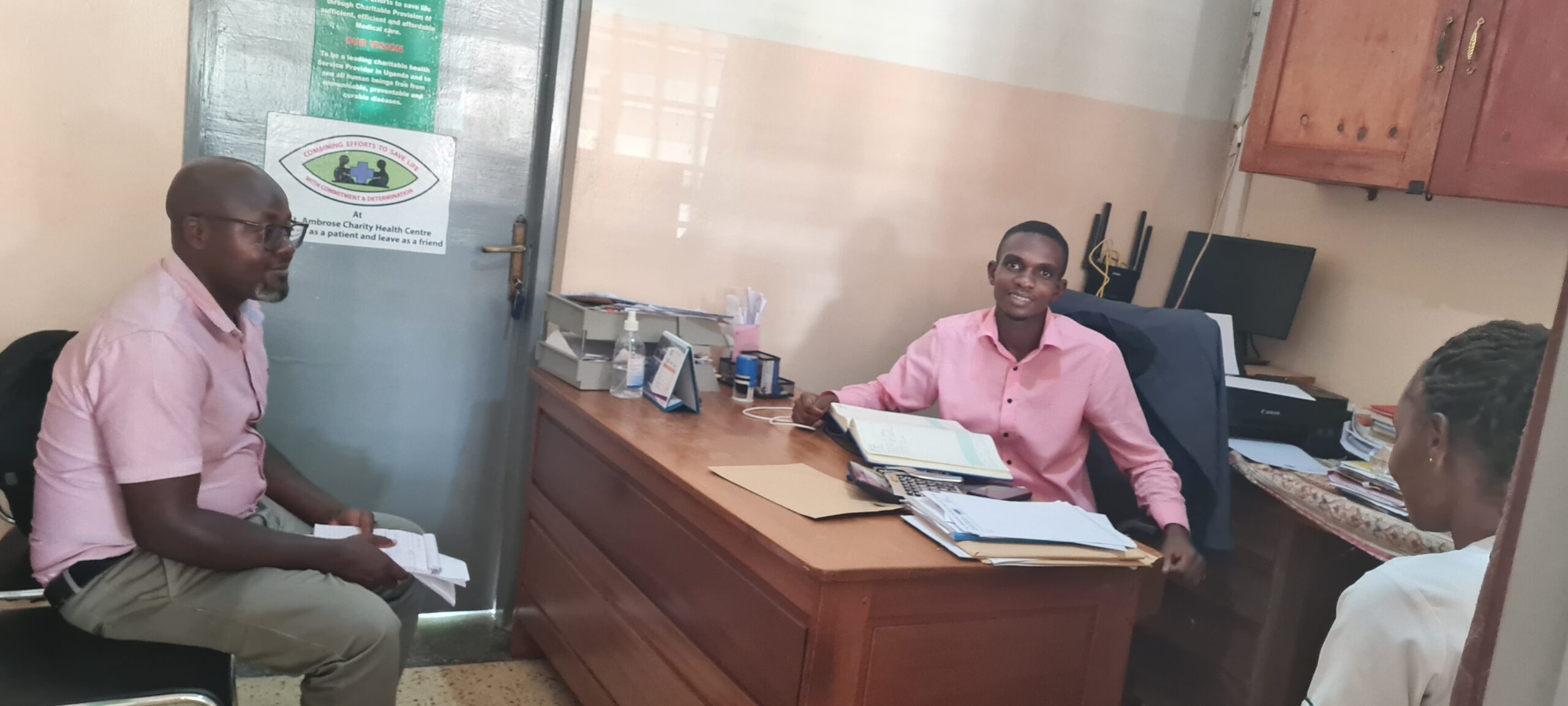
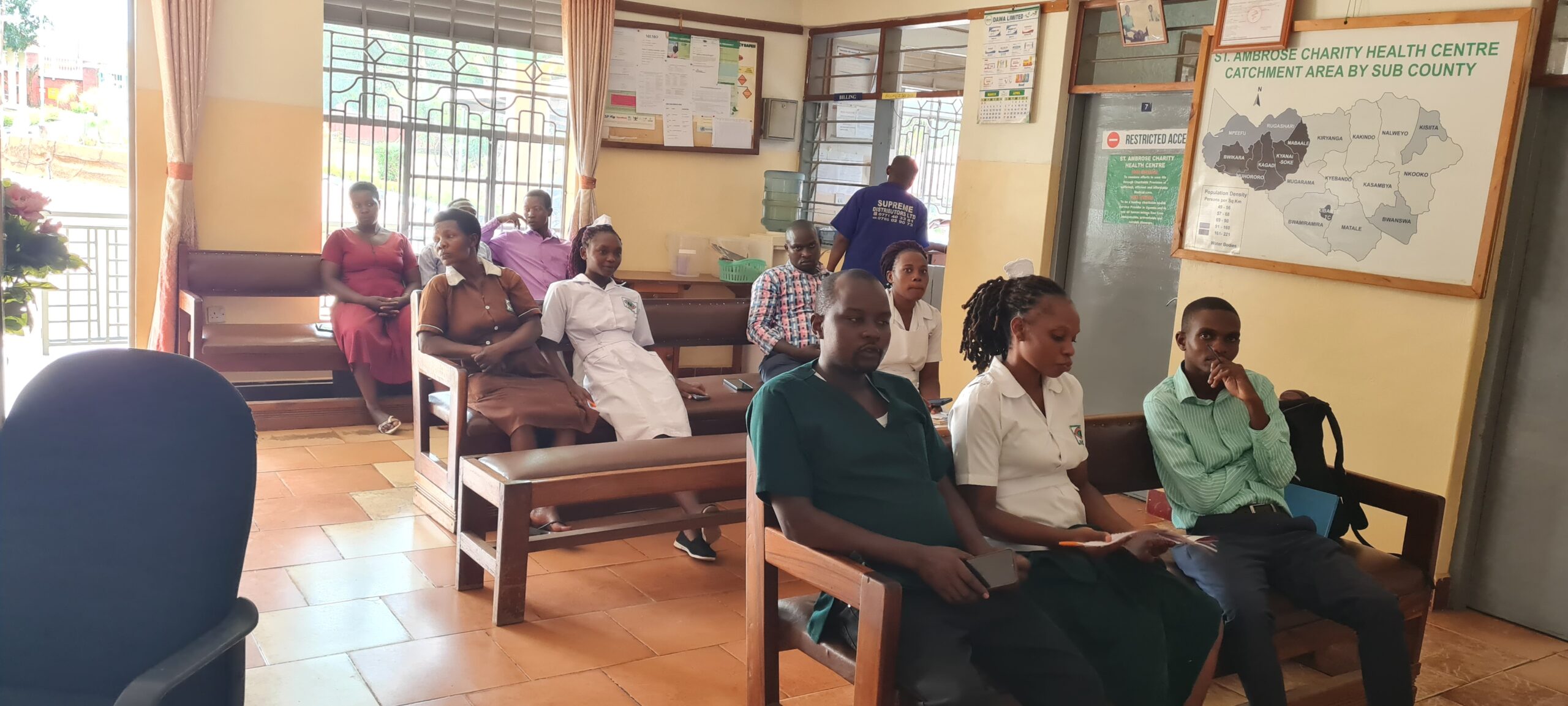
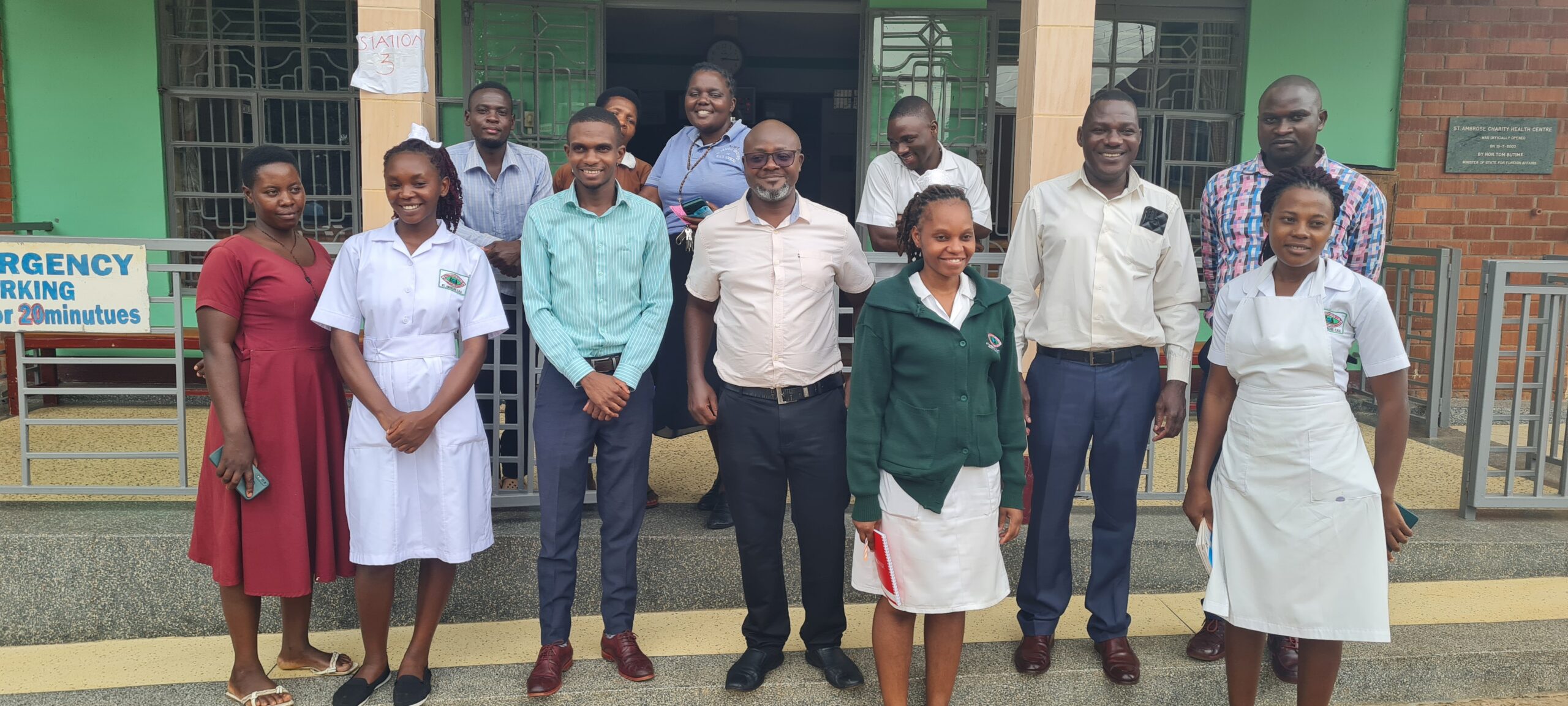
Further, PROMISE team activities have deepened the understanding of hygiene behaviors, institutional performance in healthcare facilities (HCFs), and pathogen flows from unsafe sanitation systems.
Linking Poor Food Safety, Behavior, and Hygiene
In Ghana, PROMISE moved from training to field execution. More than 60 Environmental Health Officers and Field Coordinators were trained in the SaniPath Tool across four municipalities: Accra Metro, Korley Klottey, Weija-Gbawe, and Awutu Senya East.
Preliminary findings reveal a critical gap between hygiene knowledge and behavior. Although 99% of households recognize handwashing prevents disease, only 89% practice it consistently before cooking or eating. Over 56% report pests in cooking areas, and 80% rely on street food, though 55% believe it is only “sometimes safe.” Even with 87% aware of foodborne illness risks, 85% remain dissatisfied with vendor hygiene.
These findings underscore persistent food safety risks and the need for targeted hygiene messaging in markets—65% of respondents observed no such messages. PROMISE Ghana is recommending behavioral nudges such as handwashing prompts, vendor signage, and improved storage practices to reduce fecal–oral transmission in food environments. These results have led the Ministry of Local Government, Chieftaincy and Religious Affairs to engage the study team to revise the standard operating procedures for food safety and hygiene for environmental health officers in Ghana. This study provides crucial insights for urban public health and food safety governance.
Informing WaterAid Investments
In Bangladesh, the project achieved several milestones, including a national stakeholder meeting and a partnership MoU with WaterAid to inform planned WaterAid investments. Scoping was completed in Paikgacha, Khulna, followed by training of government and research staff on SaniPath deployment.
Behavioral surveys (n=220) and environmental testing (n=51) uncovered widespread contamination: E. coli detected in 80% of samples, with 100% positivity in floodwater, raw produce, and surface water; 77% of drinking water and 87% of street food samples were also contaminated. Behavioral data revealed frequent exposure, as 72% of children and 69% of adults use surface water more than 10 times monthly, while only 21% treat drinking water.
These findings reveal the intersection of flooding, unsafe sanitation, and foodborne exposure, providing critical evidence to shape climate-resilient water and sanitation strategies and inform planned Wateriad investments and Bangladesh’s national hygiene and health policies.
The PROMISE–Tanzania team conducted comprehensive fieldwork in four wards of Tanga City—Magaoni, Central, Msambweni, and Ngamiani Kati—using ComPASS and SaniPath tools.
Preliminary results show 97% of households rely on pour-flush toilets connected to lined tanks, with few linked to sewers. About 40% of systems have unsafe overflow points discharging into the environment. Many are shared, poorly maintained, and prone to clogging and flooding during the wet season.
These insights are vital in a city facing recurring cholera and diarrheal outbreaks, including 39 cholera cases and five deaths in early 2025. Preliminary findings demonstrate that weak containment, unsafe emptying, and poor drainage contribute directly to disease recurrence. The evidence is now being used to advocate for evidence-based sanitation investments and climate-resilient containment systems in coastal cities.