Healthy Institutions, Education and Workforces

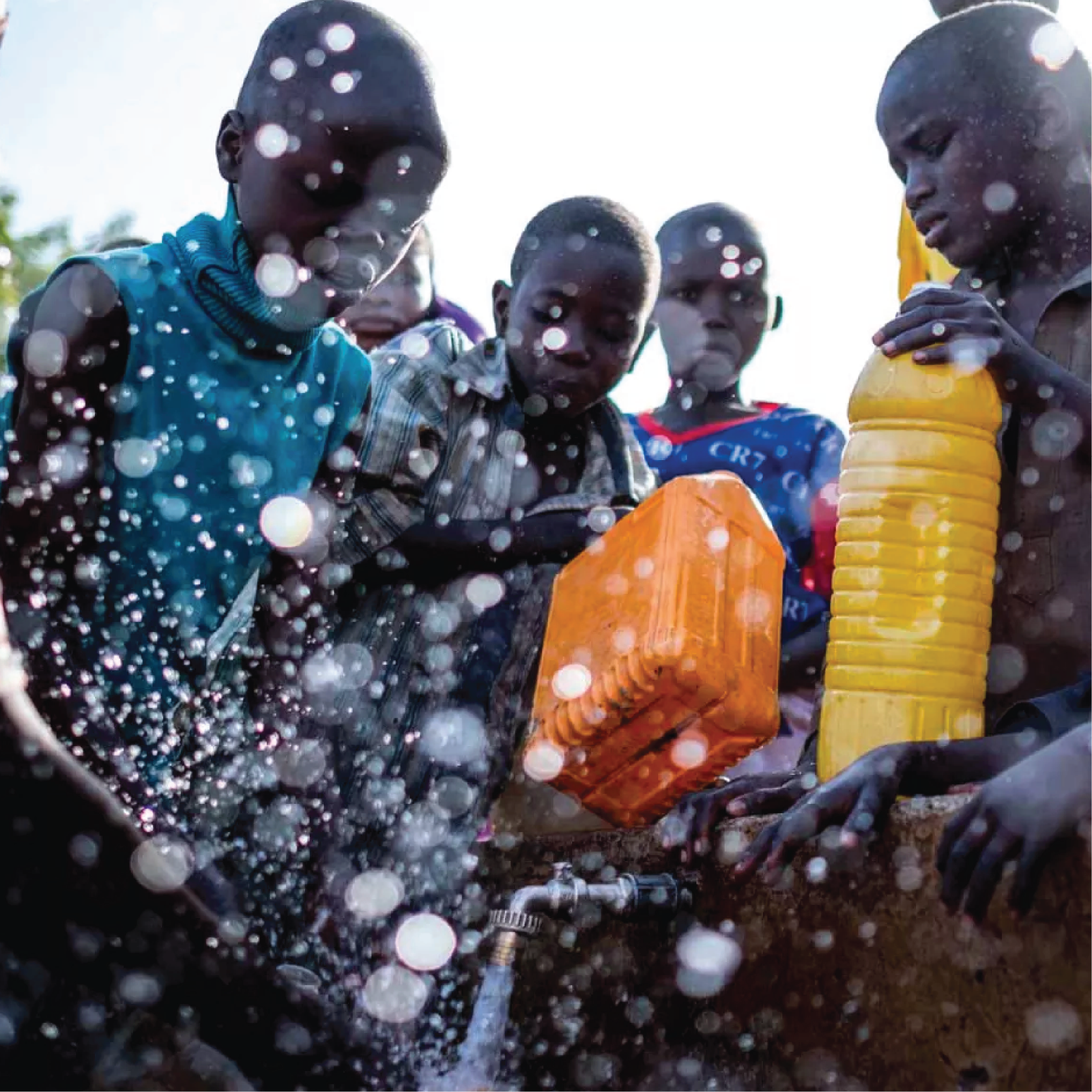
Healthy Institutions, Education and Workforces Available in all countries. The challenge A WHO/UNICEF report published in August 2026 found that only 40% of health care facilities worldwide meet basic sanitation standards and only 59% meet basic environmental cleaning standards. Basic sanitation coverage in facilities was lowest in sub-Saharan Africa,


Digital Data-to-Decision Systems

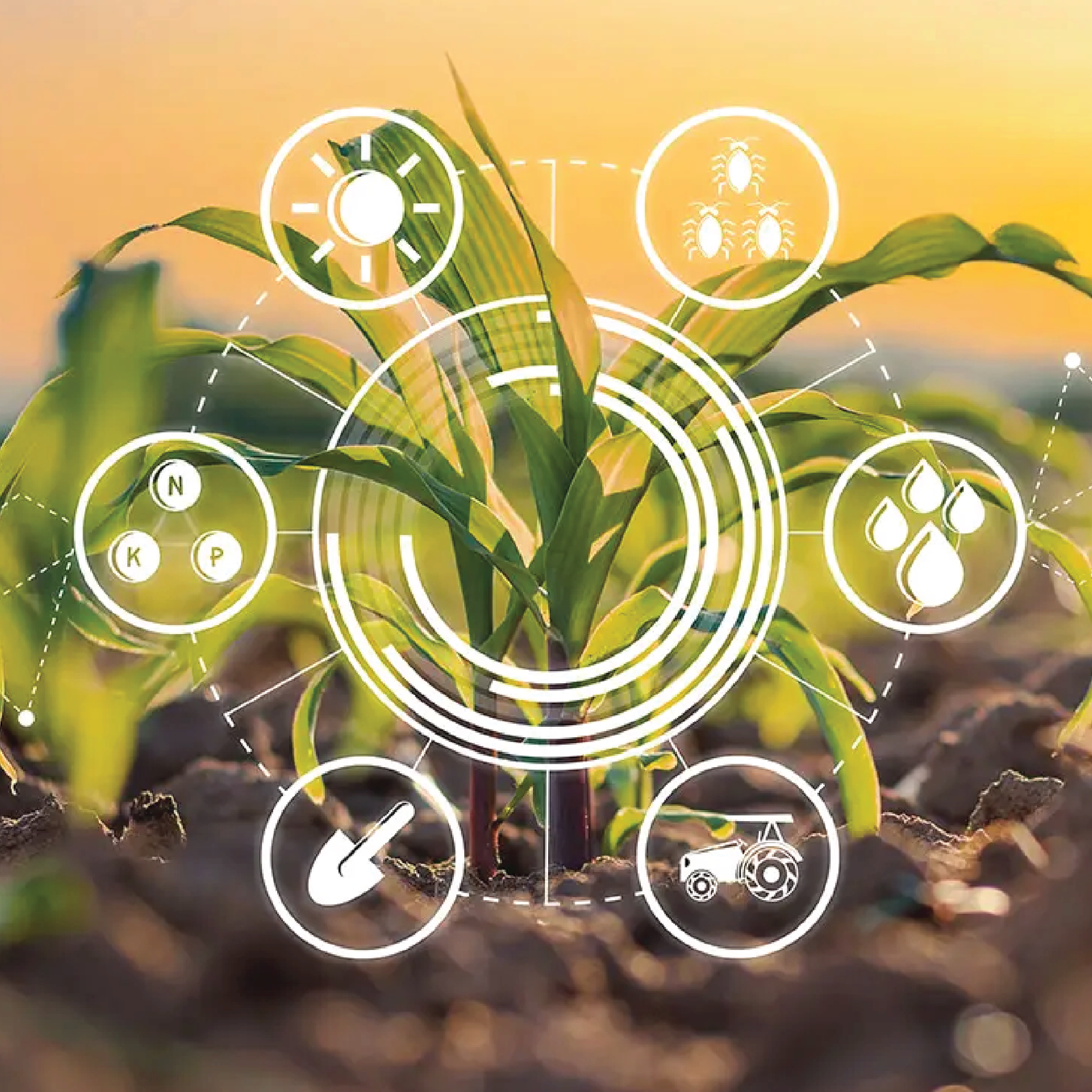
Digital Data-to-Decision Systems Available all countries The challenge Sanitation and hygiene decisions are frequently based on infrastructure coverage, service indicators, or professional experience instead of direct assessment of fecal exposure and public health risk. Even basic monitoring data remain patchy: in 2025, only 70 countries, representing 48% of the

Health Security (Wastewater and Environmental Surveillance and Antimicrobial Resistance)

Health Security (Wastewater and Environmental Surveillance and Antimicrobial Resistance) Available in these countries; Uganda Bangaldesh Ghana Malawi The challenge Antimicrobial resistance (AMR) has caused at least one million deaths every year since 1990. Without further action, more than 39 million people could die from resistant bacterial infections between 2025

Climate and Sanitation (Adaptation and Mitigation)

Climate and Sanitation (Adaptation and Mitigation) Available in these countries; Bangladesh Senegal Tanzania Zambia The challenge Climate change affects sanitation in two directions. Floods and droughts damage sanitation systems and spread untreated waste, while sanitation itself produces greenhouse gases. One global analysis estimated that non-sewered sanitation, such as pit

Exposure, Food Safety and Environmental Contaminants

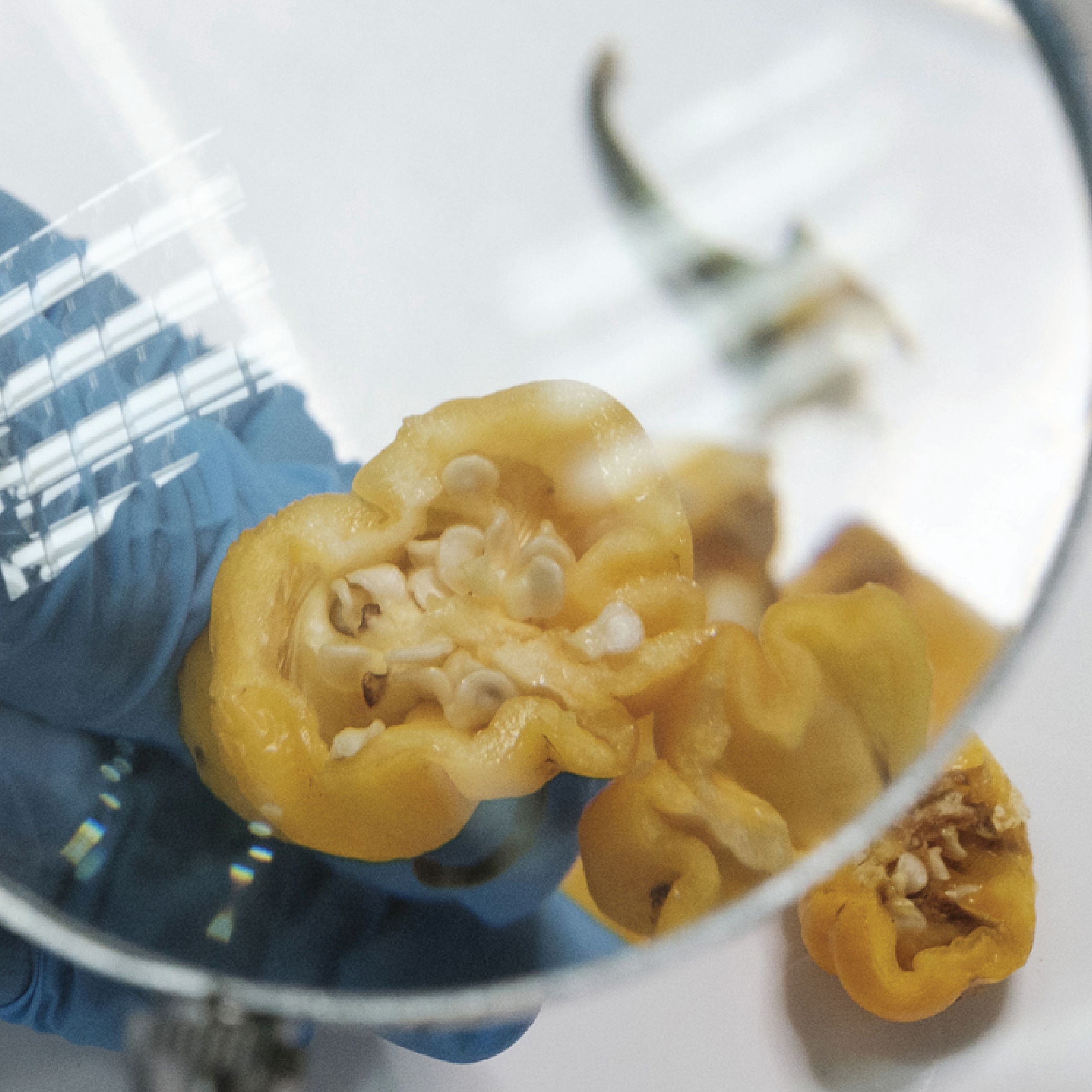
Exposure, Food Safety and Environmental Contaminants Available in these countries; Bangladesh Ghana Malawi Tanzania The Challenge Updated WHO estimates published in June 2026 found that 42 foodborne hazards caused 866 million illnesses and 1.52 million deaths in 2021, a burden comparable to that of tuberculosis, HIV/AIDS, or malaria [1,

Sanitation and Hygiene Systems

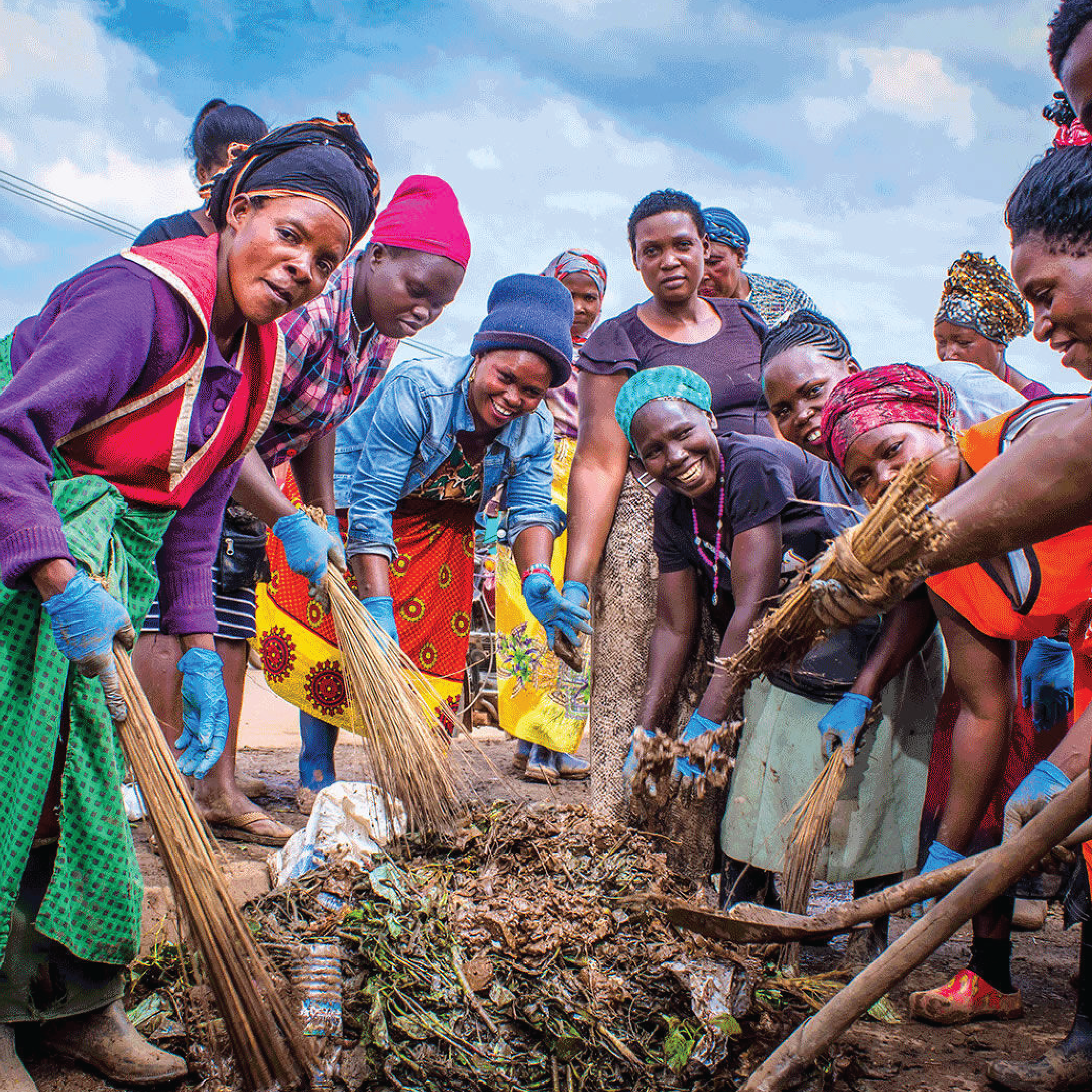
Sanitation and Hygiene Systems Available in these countries; Uganda Kenya Tanzania Zambia The challenge Between 2015 and 2024, 1.2 billion people gained access to safely managed sanitation, raising global coverage from 48% to 58%. Yet 3.4 billion people still lack safely managed sanitation, including 354 million who practise open