December 2, 2025
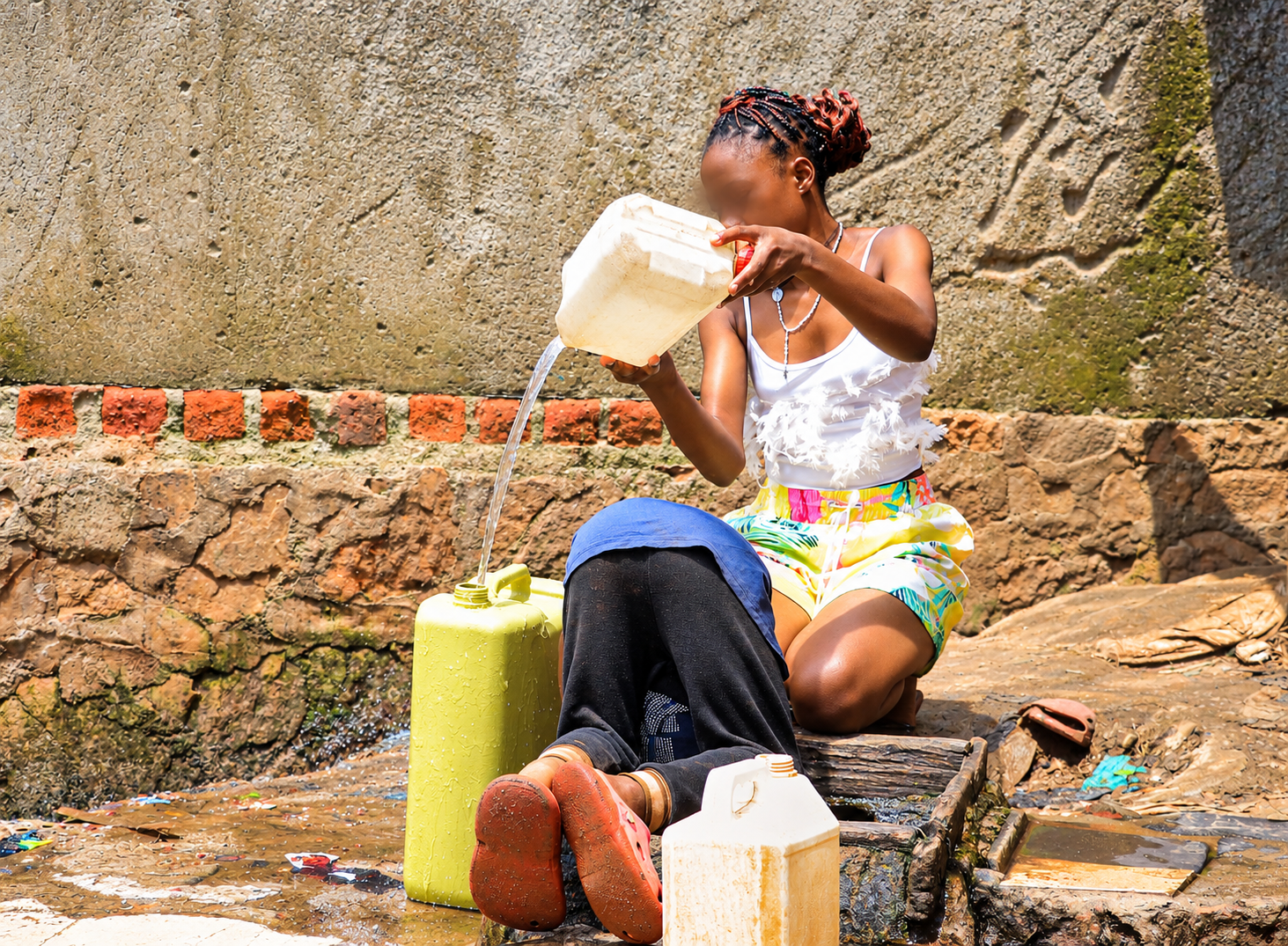
A woman and a child collect water from an exposed water source in Kikoni, a Kampala suburb. Growing demand for safe water, sanitation and hygiene (WASH) services underscores the importance of Makerere University’s efforts to strengthen research and implementation capacity for effective WASH interventions. Photo by Kelvin Atuhaire
When heavy rain sweeps through Kampala, overflowing drains can turn busy streets into channels of dirty water. Traders navigate flooded pathways, pedestrians step around stagnant pools, and residents of densely populated neighbourhoods contend with wastewater that may contain human waste. Beneath the muddy water lies a danger that cannot be established by sight alone. Disease-causing microorganisms can move through open drains, seep into groundwater and reach households through water that appears perfectly clean.
Kampala’s sanitation challenges reflect a wider problem facing rapidly growing cities, where expanding populations place increasing pressure on wastewater infrastructure. In November 2025, Makerere University researcher Dr. Swaibu Semiyaga reported that only 15% of buildings in Kampala were connected to the national sewer network, leaving most dependent on septic tanks and pit latrines. He also reported that 29% of faecal sludge produced in septic tanks was not safely emptied and transported for treatment. The figures point to a critical gap between providing sanitation facilities and ensuring that human waste is safely managed.
Similar pressures affect cities elsewhere in Africa, although the scale and nature of the problems differ. In a geographical review published in March 2019 in Research Review International Journal of Multidisciplinary, Indian researchers Vidhyatai Patil and Avinash Kadam of Swami Ramanand Teerth Marathwada University examined how urban expansion, ageing sewer networks, inadequate maintenance and insufficient wastewater treatment contribute to sewage management problems. Their analysis draws attention to a challenge for urban authorities managing growing populations with infrastructure that has not expanded at the same pace.

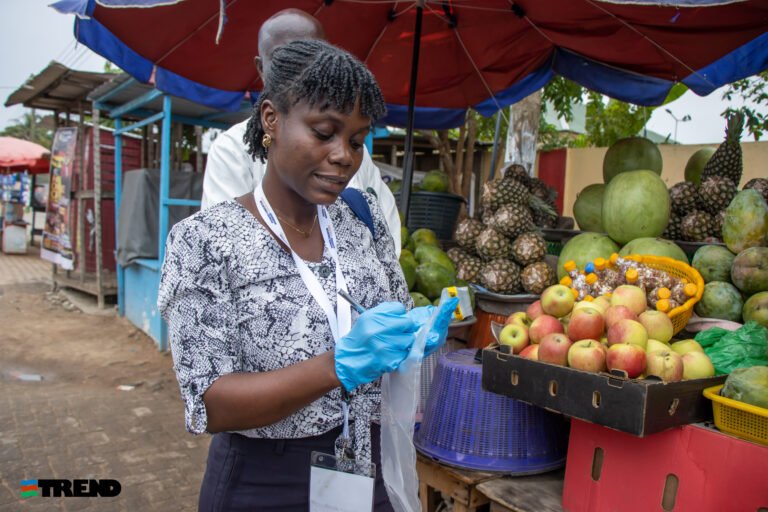
Yet visible sewage tells only part of the story. Establishing whether water, soil or other environmental surfaces contain faecal contamination, and understanding how people might encounter it, requires scientific testing. This was the focus of a PROMISE Consortium capacity-building webinar held on 24 September 2025, during which Prof. Christine Moe of Emory University examined how researchers measure Escherichia coli (E. coli) as an indicator of faecal contamination in environmental samples.
“We measure E. coli bacteria in water and other environmental samples when we are concerned about the possible presence of fecal contamination,” Prof. Moe explained. “E. coli bacteria are naturally occurring bacteria in the gastrointestinal tract of humans and animals and are excreted in feces.”
Because E. coli is commonly found in human and animal waste, detecting it in water can indicate possible faecal contamination. Its presence does not establish which disease-causing microorganisms are present or whether exposure will result in illness, but it gives researchers a practical starting point for investigating potential health risks. Prof. Moe explained that contamination can originate from untreated wastewater, leaking septic tanks, pit latrines, animal waste and rainwater runoff. Even treated water can become contaminated as it moves through distribution systems or during collection and storage.

“Water can also become contaminated when it is placed in a dirty jerry can or pot for collection, transport and storage,” she explained. She noted that uncovered containers and contact with dirty hands or utensils can introduce contamination, while storage vessels fitted with taps or spouts offer better protection. Such everyday practices matter because water quality can deteriorate between the point of collection and the moment someone drinks it.
What Research in Dhaka Reveals
The consequences of poorly managed sanitation systems were documented in an earlier study from Bangladesh. Published in September 2020 in the International Journal of Hygiene and Environmental Health, the research was led by Nuhu Amin and co-authored by Prof. Moe. It examined how disease-causing microorganisms move from on-site sanitation systems into surrounding environments in two low-income neighbourhoods of Dhaka.
The researchers analysed 151 environmental samples collected from septic tanks, wastewater treatment systems, open drains, canals and floodwater. Laboratory tests detected genetic material from Shigella, a bacterium associated with dysentery, in 89% of samples. Genetic material from Vibrio cholerae, the bacterium responsible for cholera, and norovirus, a common cause of vomiting and diarrhoea, was each detected in 68% of samples. Some of the highest pathogen concentrations were found in open drains and liquid waste discharged from sanitation treatment systems.
These results provided evidence that waste passing through sanitation infrastructure could still carry microbial hazards into surrounding environments. Although detecting pathogen genetic material does not necessarily establish that the organisms remain infectious, the findings identified potential contamination pathways requiring attention. The researchers recommended improved maintenance of sanitation facilities, additional treatment of liquid waste and sanitation approaches suited to local conditions.
The Dhaka study did not measure contamination in Kampala, but it raises questions relevant to cities where many households rely on on-site sanitation. Are septic tanks and pit latrines effectively containing waste? What happens to wastewater after it leaves these facilities? Where might people encounter contamination? Answering such questions requires more than documenting the presence of toilets or drains. It requires examining how waste moves through the environment.
From Detecting Contamination to Preventing Exposure
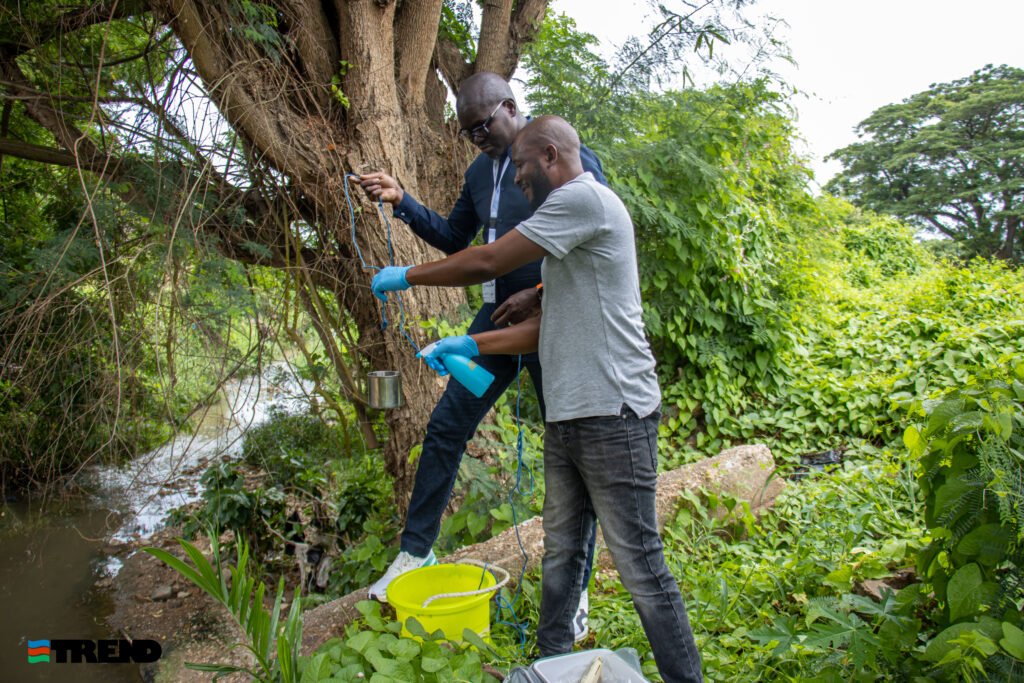
During the PROMISE webinar, Prof. Moe explained why researchers frequently measure E. coli instead of testing directly for every pathogen. Disease-causing microorganisms differ in how long they survive in the environment, and some may be absent from a contaminated sample because they are only released by infected humans or animals. Detecting particular pathogens can also require expensive equipment and specialised laboratory expertise.
“With the development of molecular methods like PCR (polymerase chain reaction) it is now quite possible to detect pathogens in water with sensitivity and specificity,” she explained. “But these molecular methods are expensive and require a laboratory with advanced equipment and highly trained personnel.”
Prof. Moe examined several approaches to measuring E. coli, including Colilert, membrane filtration, prepared testing plates and portable field kits. Each method presents different considerations involving cost, equipment, the type of sample being tested and the range of contamination it can measure. For example, membrane filtration is relatively inexpensive but can be difficult to use with muddy water or other samples containing substantial suspended material. Selecting an appropriate method therefore affects both the reliability of the results and the resources needed to obtain them.
Participants discussed challenges encountered when testing environmental samples, including how to distinguish between human and animal sources of faecal contamination, assess water quality in chlorinated distribution systems and interpret measurements through SaniPath. The tool helps researchers examine how people may come into contact with faecal contamination through everyday activities and environmental conditions. The discussion also drew on experience among PROMISE partners in Ghana using Colilert for environmental testing.
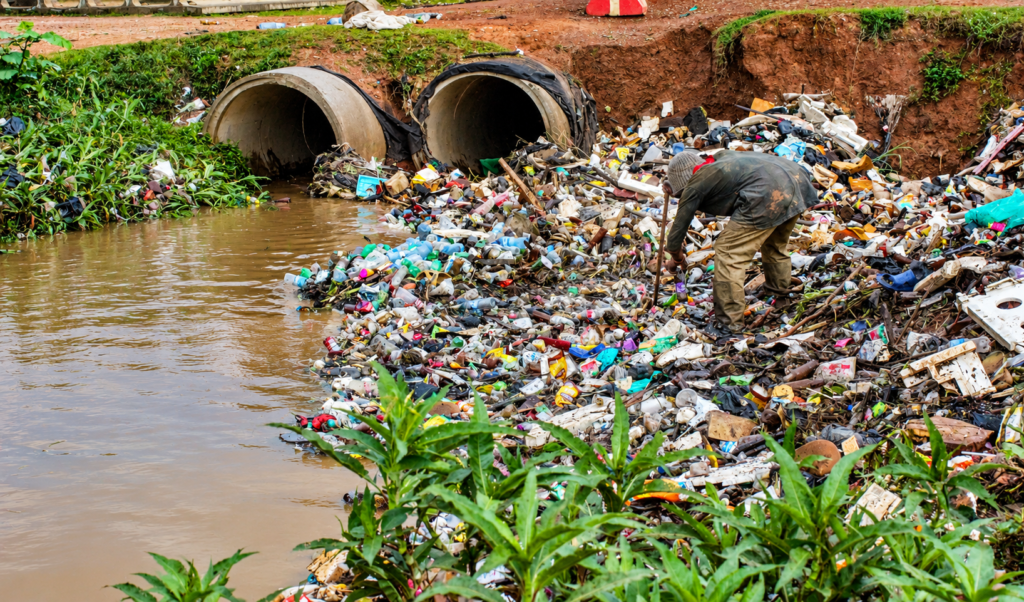
For the PROMISE Consortium, which works to strengthen evidence-based investments in sanitation for health and equity, these technical decisions have real consequences. Environmental measurements can help researchers identify contamination, while information about how people interact with water, soil, drains and other surroundings can establish where exposure may occur. Together, these findings can inform decisions about waste containment, treatment, drainage and other measures intended to reduce contact with human waste.
Kampala’s overflowing drains make failures in wastewater management visible, but the health risks cannot be fully understood from what flows through the streets. The Dhaka research demonstrates what laboratory investigation can reveal about contamination moving through sanitation systems. Prof. Moe’s training addressed the measurements researchers need to examine such risks, including the limitations that must be considered before drawing conclusions.
For cities investing in sanitation, the central question is not only how many households have access to facilities, but whether those facilities safely contain and manage waste. Establishing that requires evidence from the places where wastewater is discharged, where contamination accumulates and where people may encounter it. Without that information, authorities risk addressing the sewage they can see while overlooking the contamination they cannot.
Related research
Amin, N., et al. (2020). Pathogen flows from on-site sanitation systems in low-income urban neighborhoods, Dhaka: A quantitative environmental assessment. International Journal of Hygiene and Environmental Health.