
April 22, 2025
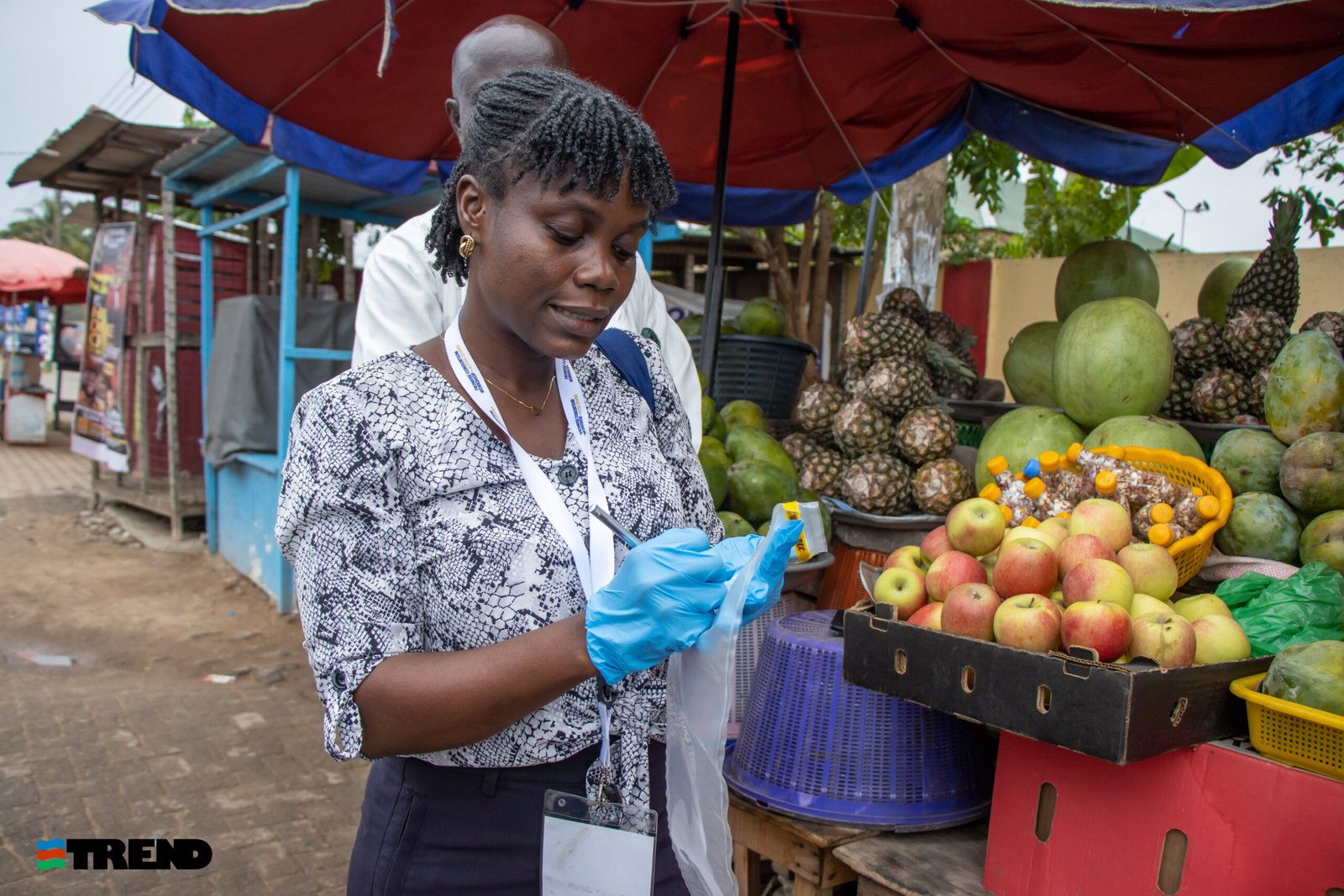
A researcher collects a fresh produce sample at a market in Ghana as part of efforts to assess food contamination risks and strengthen food safety.
Street food and fresh produce are an essential part of daily life in Greater Accra, Ghana. They provide affordable meals, sustain livelihoods and support local markets. But research by the PROMISE Consortium has identified these foods as major pathways through which adults and children may encounter faecal contamination, raising concerns about food safety and the effectiveness of existing prevention measures.
The findings, drawn from assessments in four municipalities, have informed the development of food safety inspection guidelines, municipal action plans and practical resources for Environmental Health Officers. More than 60 officers have also received training to assess contamination risks and use research evidence in their work.
For Ghana, where a cholera outbreak that began in October 2024 had resulted in more than 6,100 reported cases and 49 deaths by February 2025, the research addresses an important public health concern. Although the study does not establish a link between its findings and the outbreak, it identifies everyday exposure pathways that sanitation and food safety authorities can target.
The research forms part of the PROMISE Consortium’s work to strengthen evidence-based investments in sanitation and hygiene. In Ghana, Training, Research and Networking for Development (TREND) leads the work alongside the Ministry of Local Government, Chieftaincy and Religious Affairs, the Accra School of Hygiene and municipal authorities in Accra, Korle Klottey, Weija-Gbawe and Awutu Senya East.

Using an adapted version of SaniPath, a public health assessment tool that measures exposure to faecal contamination, the researchers examined four potential pathways through which residents could encounter harmful microorganisms.
They collected samples from street food, raw produce, municipal water and packaged water, alongside information on how frequently adults and children encountered each pathway.
Laboratory tests detected Escherichia coli (E. coli), an indicator of faecal contamination, across all four pathways. When the team combined contamination measurements with information on exposure, street food and raw produce emerged as the leading routes for both adults and children.
The analysis also detected extended-spectrum beta-lactamase (ESBL)-producing E. coli, which can resist several commonly used antibiotics, and a genetic marker associated with Vibrio cholerae, the bacterium responsible for cholera.
These findings identify potential public health hazards rather than confirmed cases of infection. Their significance lies in showing where contamination occurs and which pathways may deserve greater attention from environmental health authorities.
The researchers also investigated why food safety risks persist despite Ghana’s established regulatory framework.
Their governance assessment found that national food safety policies provide a basis for action, but fragmented responsibilities and weak coordination among institutions can hinder implementation at metropolitan, municipal and district levels.
Household research revealed that safe food handling depends on more than awareness of hygiene practices. Access to water, sanitation and hygiene facilities determines whether people can follow recommended practices, while social norms influence whether those practices become routine.
A household may understand the importance of washing food or maintaining clean preparation surfaces but still lack the facilities needed to do so consistently. The findings therefore point to the need for interventions that address both behaviour and the conditions in which food is prepared, handled and sold.
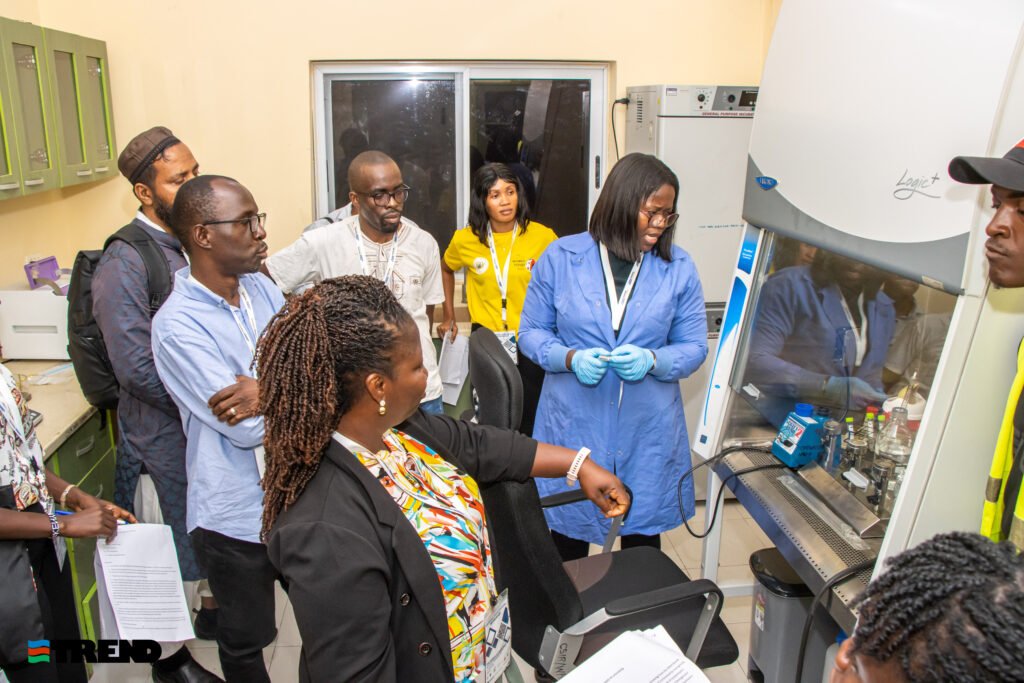
The Ghana team worked with national and municipal authorities and Environmental Health Officers to examine how the findings could inform existing food safety responsibilities.
Through municipal consultations and joint intervention-development activities, the researchers and government representatives identified practical responses to the risks documented by the study.
One outcome is a Food Safety and Hygiene Solutions Compendium, which brings together options that government institutions and practitioners can use when planning food safety improvements.
The collaboration has also produced an updated National Food Safety and Hygiene Inspection Guideline, which is awaiting final endorsement by the responsible ministry.
Municipal action plans and inspection protocols have been developed to support more consistent inspection practices and strengthen accountability within local environmental health systems.
More than 60 Environmental Health Officers have received training in SaniPath, equipping them to assess exposure pathways and interpret findings that could inform inspection priorities.
These developments give the research a practical institutional application. Environmental Health Officers are responsible for identifying and addressing risks in communities, markets and other public settings. Access to exposure data can help them determine where preventive attention is most needed.
The work has not yet established whether the new guidance and procedures have improved food safety outcomes. The updated national guideline still requires endorsement, and the municipal plans will need implementation and monitoring to demonstrate their effects.
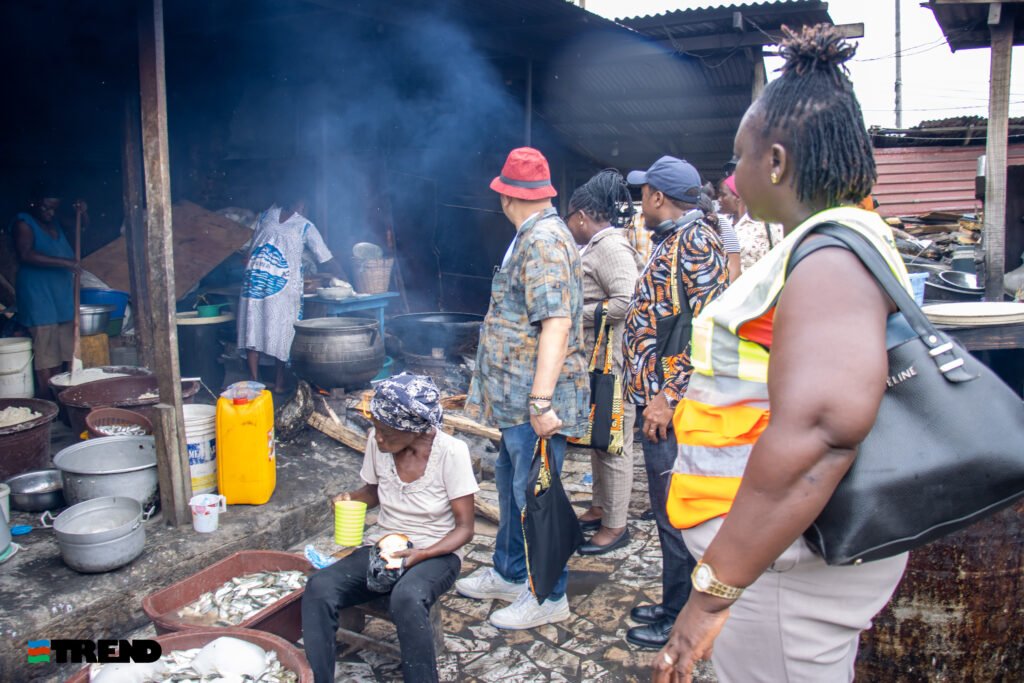
The Ghana team’s experience with SaniPath has also supported PROMISE research in Tanzania, where a related assessment in Tanga City identified street food as a major pathway of exposure to faecal contamination.
The two settings provide opportunities to examine how food handling, environmental contamination and local sanitation conditions influence exposure risks in different urban contexts.
Ghana also hosted the PROMISE Consortium’s second annual workshop in Accra in April 2025, bringing together more than 50 researchers, policymakers and development partners to examine findings from participating countries and develop plans for applying public health decision-support tools.
The Ghana research team is now advancing co-designed food safety interventions and institutional procedures while preparing findings for wider dissemination through national and municipal channels.
Two research manuscripts are ready for publication, each with an accompanying policy brief. Consortium partners have also identified food hygiene in households, schools and markets as a priority for the next phase of research.
The next test will be whether the evidence and tools developed through PROMISE become part of routine food safety inspections and municipal planning. That will determine how far the research can help authorities reduce exposure risks and strengthen protection for people who depend on food prepared and sold in Ghana’s communities.